Table of Contents
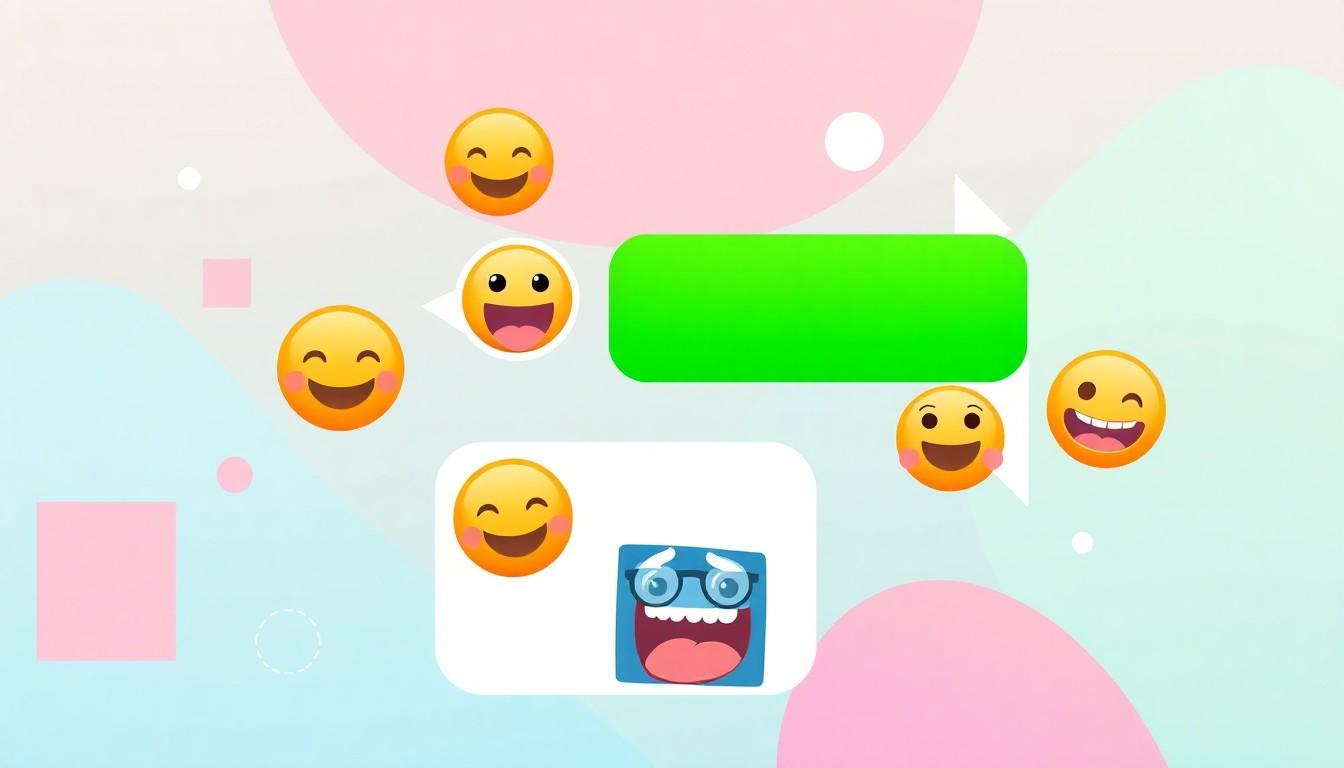
ToggleIn a world where emojis reign supreme and memes are a universal language, the question arises: can you put images in ChatGPT? Picture this: you’re chatting away, and suddenly, you want to spice things up with a picture that perfectly captures your thoughts. Wouldn’t that be a game-changer?
Overview of ChatGPT
ChatGPT represents an advanced language model created by OpenAI. It excels in generating human-like text based on prompts, allowing for fluid conversations with users. Users engage with ChatGPT for various purposes, such as education, entertainment, and information retrieval.
Currently, the platform supports text-based interactions. Emoji and meme usage highlights users’ emotions and thoughts. Visual elements might enhance expressiveness during conversations. Existing research indicates that images capture attention more effectively than text alone.
Innovative capabilities may emerge as technology evolves. Including images could revolutionize user interactions with ChatGPT. Enhanced user experience might involve combining text, images, and other multimedia formats in dialogues. This shift could align with how people communicate in other digital spaces.
Exploration of integrating images into ChatGPT remains an ongoing conversation. Users express curiosity about potential future features. Current text limitations direct OpenAI’s focus toward refining and improving language processing capabilities.
Anticipation exists around what future iterations may offer. If images become part of ChatGPT, personalization and creativity could increase significantly. Overall, analyzing user needs informs development decisions, emphasizing the importance of user feedback in guiding enhancements.
Understanding Image Functionality
Incorporating images into ChatGPT conversations presents unique challenges. Current limitations restrict image uploads, underscoring that users cannot directly share or send pictures in chat interactions.
Limitations of ChatGPT
Text-based communication leads the way in ChatGPT capabilities. Users find that interactions center around words, with no option for image sharing. The absence of image support may hinder expressive potential in some situations. Practical constraints also exist in how the model processes inputs, emphasizing a primary focus on text. Feedback from users and ongoing research highlights the desire for advancements that include visual elements. Although images aren’t supported now, the future may open doors to integrate pictures alongside text.
Current Capabilities
ChatGPT excels in generating diverse text types, from informative articles to engaging stories. Emoji and meme usage enriches these text-based interactions, enhancing emotional expression. Users can craft messages filled with nuance, knowing that text remains the primary mode of communication. Functionality in conversational AI encompasses understanding context and providing relevant responses. This allows for engaging dialogues, fostering dynamic user interactions despite current image limitations. Such strengths maintain the platform’s relevance while users eagerly anticipate future enhancements.
User Experience with Images
Integrating images into ChatGPT interactions presents exciting possibilities for users. Visual elements can play a key role in enhancing communication.
Examples of Image Usage
Incorporating images during conversations could transform user expression. Emojis currently serve a similar role, conveying emotions and enhancing messages. Pictures of artwork might add context, while infographics could illustrate data. Users might express concepts more effectively with visuals in place of words. Interaction examples, including screenshots or relevant images, can amplify storytelling, making content richer and more engaging.
Improvements in User Interaction
User interactions stand to benefit significantly from image integration. Visuals can draw attention more effectively than text, promoting engagement. Expressive elements, from charts to personal photos, can make conversations more relatable. Enhanced communication could lead to better understanding between users and ChatGPT. Moreover, the dynamic nature of images fosters creativity, allowing users to present ideas innovatively. Increased satisfaction is likely when users can share visual content seamlessly within their chats.
Future Prospects
Innovative developments in AI suggest a potential shift towards incorporating images within ChatGPT interactions. Adding images could transform communication by allowing deeper emotional expression. Users currently leverage emojis and memes to convey feelings, yet visuals can enhance that experience significantly.
Research confirms that images capture attention more effectively than text alone. This finding highlights the necessity for seamless integration of multimedia formats as digital communication evolves. Embracing this trend could result in richer user experiences and interactions.
Enhanced engagement may arise from the ability to upload images, artwork, or infographics. Visual elements would provide essential context, making complex concepts clearer and more relatable. Creativity in expression could flourish, ultimately improving user satisfaction.
While current limitations restrict image use, user feedback consistently shows a strong desire for such features. Prioritizing these advancements could guide future iterations of the platform, addressing the growing expectations of users. Previous discussions about technology’s capability for innovation suggest a readiness for change.
Developers are focused on enhancing personalization and interactivity within ChatGPT. Continuous research will assist in identifying the best approaches to integrate images effectively. Envisioning a platform where text and visuals coexist could create a dynamic communication landscape that resonates with diverse users.
The potential for integrating images into ChatGPT conversations opens up exciting avenues for enhancing user interaction. As digital communication continues to evolve the demand for richer expressive tools is evident. With the ability to incorporate visuals users could engage more effectively and convey emotions in ways that text alone cannot achieve.
While current limitations restrict image usage the ongoing interest and feedback from users indicate a strong desire for such capabilities. Developers are actively exploring innovative solutions to create a more dynamic platform. The future of ChatGPT may very well include a seamless blend of text and images fostering creativity and improving overall communication experiences.