Table of Contents
ToggleImagine walking into a room where everything flows seamlessly, where you can easily navigate from your cozy reading nook to your snack stash without tripping over that rogue chair leg. An efficient room layout isn’t just about aesthetics; it’s about creating a space that works for you. It’s the difference between feeling like a graceful gazelle and a clumsy giraffe in your own home.
In a world where every square foot counts, mastering the art of room layout can transform even the tiniest spaces into functional havens. Whether it’s optimizing your workspace for productivity or arranging your living area for maximum relaxation, a thoughtful layout can make all the difference. Let’s dive into the secrets of efficient room design and discover how to turn chaos into calm, one room at a time.
Importance Of Efficient Room Layout
Efficient room layout significantly impacts daily life and overall satisfaction. A thoughtful design caters to both functionality and aesthetics. Spaces with well-planned layouts promote ease of movement, allowing individuals to navigate without obstruction. Enhanced comfort emerges when furniture placement and room design align with user needs.
Also, an effective layout optimizes natural light and ventilation, improving indoor air quality. It enhances the visual appeal of a room, creating an inviting atmosphere. Prioritizing efficiency reduces clutter and maximizes available space, making even small environments feel spacious and organized.
Furthermore, effective layouts encourage better social interactions. Room arrangements can facilitate conversations and gatherings, fostering connection and engagement. Investing time in designing a room leads to numerous long-term benefits, including increased productivity and improved mood.
Adhering to key principles of efficient room layout can transform any space. He or she can maximize utility by ensuring each area serves its purpose. Avoiding overcrowding enables the potential for creativity and expression in personal design.
Lastly, an organized layout simplifies daily activities. Consideration of the flow of movement makes tasks more manageable. Every effort to create space with intention contributes to a harmonious living environment, reinforcing the value of efficiency in room design.
Key Principles Of Efficient Room Layout
Efficient room layouts enhance functionality and create inviting environments. Prioritizing strategic design elements leads to improved user experience.
Space Utilization
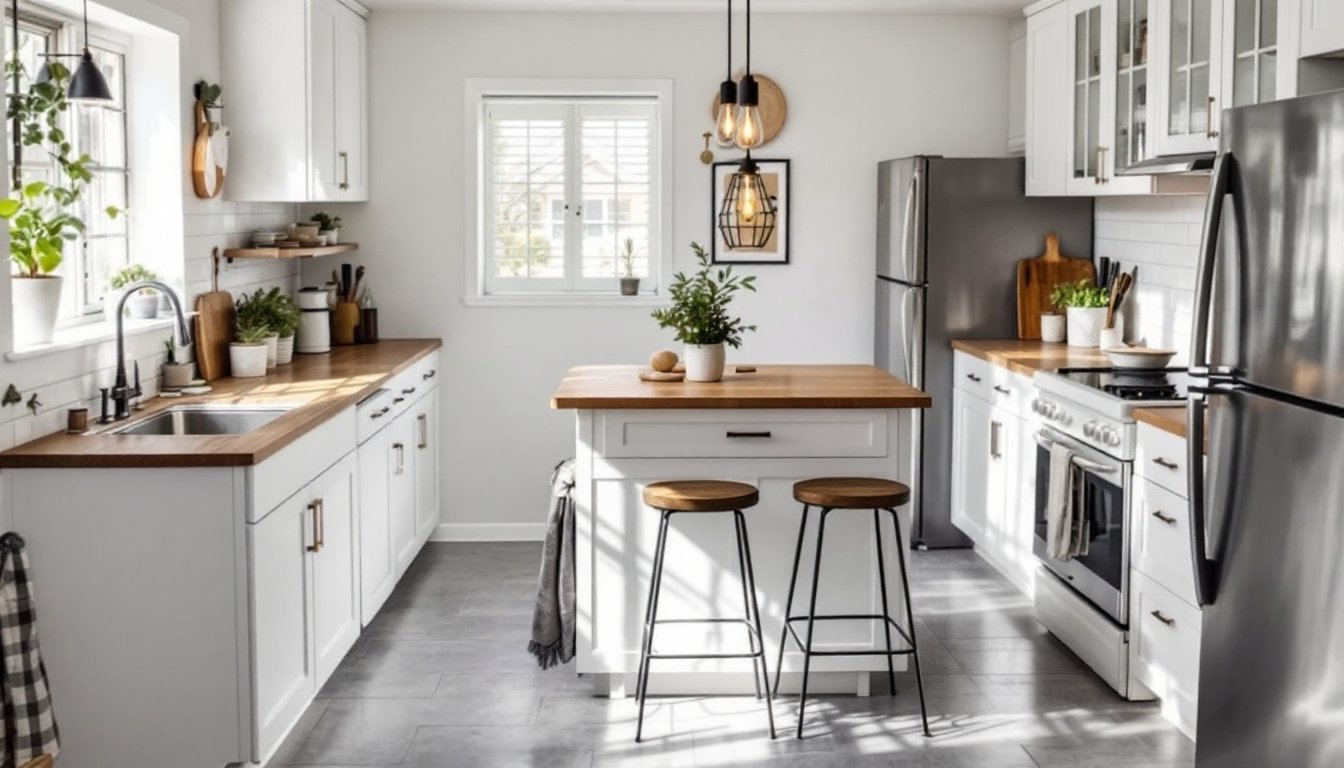
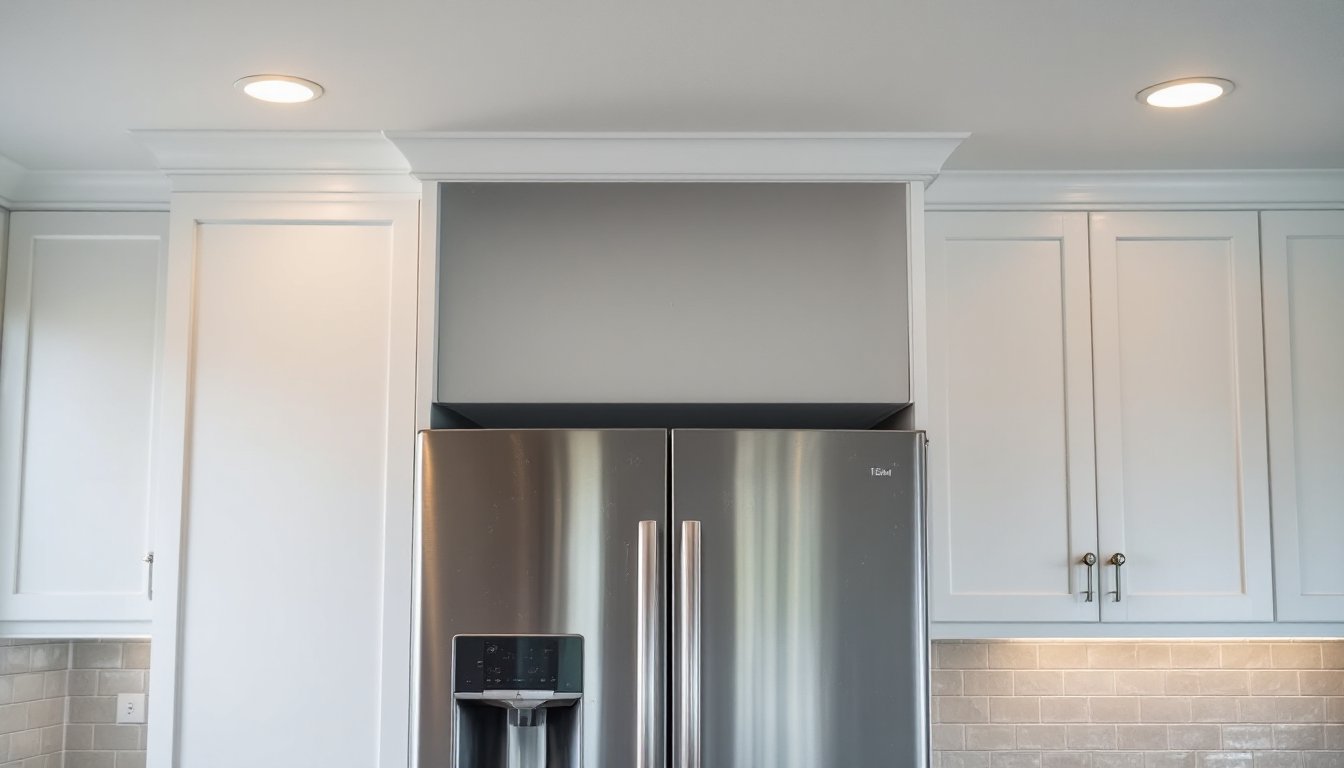
Effective space utilization maximizes every square foot within a room. Furniture should be arranged to optimize available areas, allowing for multifunctional use. Consider vertical storage options to free up floor space while providing essential storage solutions. Incorporate built-in shelves to maintain organization and accessibility. Using furniture with hidden storage can transform cluttered areas into streamlined results. Open floor plans increase the sense of space, particularly in small environments, enabling better movement and interaction. Implementing these strategies helps create a versatile living or working area.
Flow And Accessibility
Flow and accessibility play crucial roles in room layouts. Arranging furniture to promote natural movement patterns enhances comfort and reduces obstacles. Sufficient pathways should exist between furniture items, allowing people to navigate easily without disruption. Design elements like rugs or visual cues can subtly guide flow while adding aesthetic appeal. Accentuating focal points encourages social interaction, making spaces feel more connected. Ensuring that essential items are within reach minimizes frustration and maximizes efficiency. Thoughtful consideration of flow fosters a harmonious atmosphere that supports daily activities.
Factors To Consider For Efficient Room Layout
Optimal room layout integrates various factors to enhance usability and comfort. Consider these elements for effective design.
Room Purpose
Defining the room’s primary purpose guides all layout decisions. Identify whether the space will serve as a living area, workspace, or entertainment zone. Distinct needs dictate the arrangement of furniture and other elements. For instance, a home office requires a desk and chair with adequate lighting, while a living room focuses on seating arrangements promoting conversation. Flexibility often works in favor of multifunctional spaces, where adaptability to changing needs becomes essential. Functional zones established within the layout streamline daily activities and ensure that the space meets users’ requirements effectively.
Furniture Arrangement
Strategic furniture arrangement maximizes space and facilitates movement. Placing larger pieces against walls frees central areas for activities. Seating should encourage interaction by positioning chairs and sofas in a circle or semicircle. Keeping pathways clear enhances navigation, reducing clutter in high-traffic zones. Consider incorporating modular furniture that can be easily reconfigured for different occasions. Balanced arrangements prevent overcrowding and promote a visually pleasing aesthetic. Furthermore, maintaining consistent spacing between pieces provides comfort and accessibility, enhancing the overall atmosphere of the room.
Common Mistakes In Room Layout
Inefficient furniture arrangement leads to clutter and disruptive flow. Placing large items in the center of the room can obstruct movement. Lack of designated functional zones may cause confusion and hinder daily activities. Not considering the room’s primary purpose often results in wasted space. Ignoring the scale of furniture relative to the room size can make areas feel cramped or sparse.
Focusing solely on aesthetics without addressing functionality can create unusable spaces. Neglecting natural light sources limits the room’s potential for warmth and openness. Failing to establish clear pathways can deter easy navigation throughout the area. Overcrowding furniture limits social interaction and restricts comfortable movement.
Underestimating the importance of vertical storage leads to cluttered surfaces and disorganization. Positioning seating in a way that doesn’t encourage conversation can hinder social engagement. Avoiding walls for larger pieces may leave central areas wasted, reducing usable space. Misjudging traffic flow results in increased obstacles, making the environment feel cramped.
Remembering these common mistakes allows for more thoughtful design choices. Striving for a balanced, functional layout typically enhances both functionality and aesthetic appeal. Prioritizing efficient use can dramatically transform the comfort and usability of any room.
Tips For Creating An Efficient Room Layout
Create a clear purpose for each room. Understanding what activities will take place in a space guides layout decisions effectively.
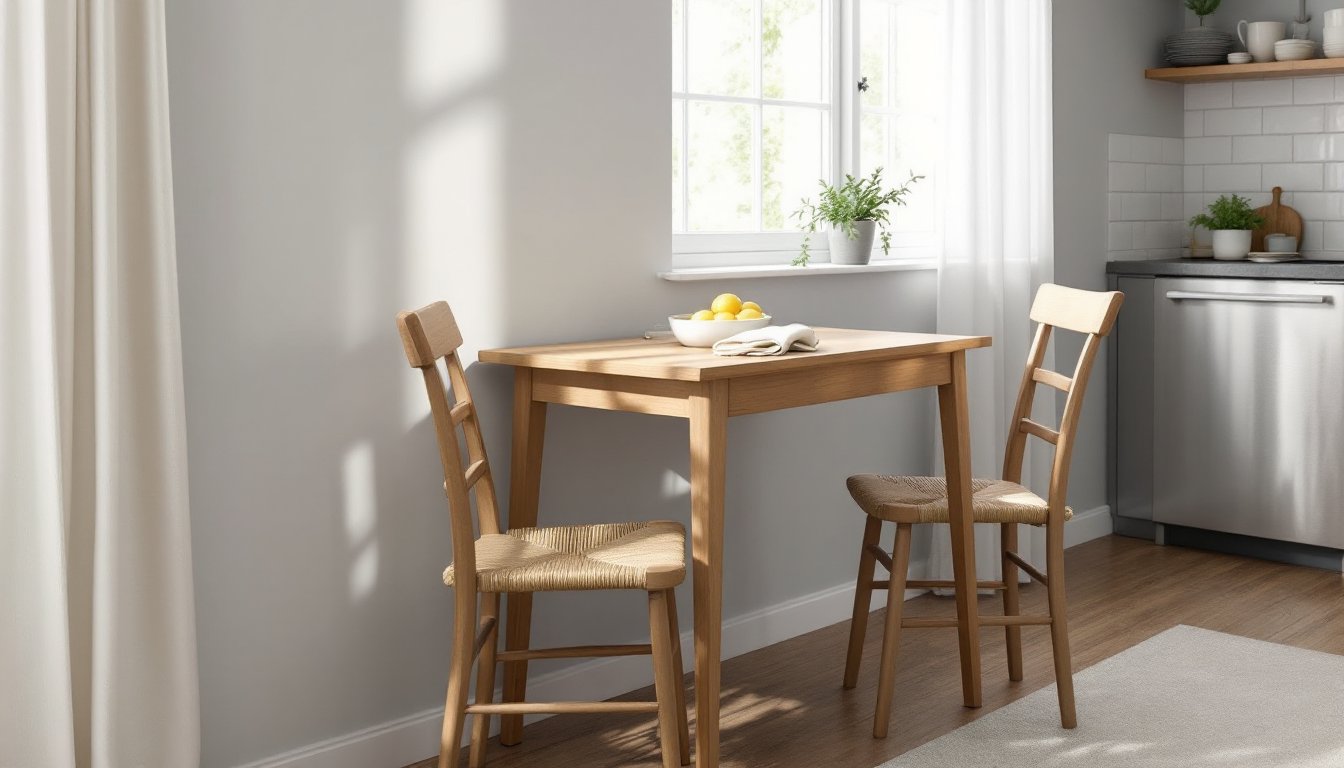
Incorporate multifunctional furniture. A sofa bed or an extendable dining table enables flexibility, optimizing usage in smaller areas.
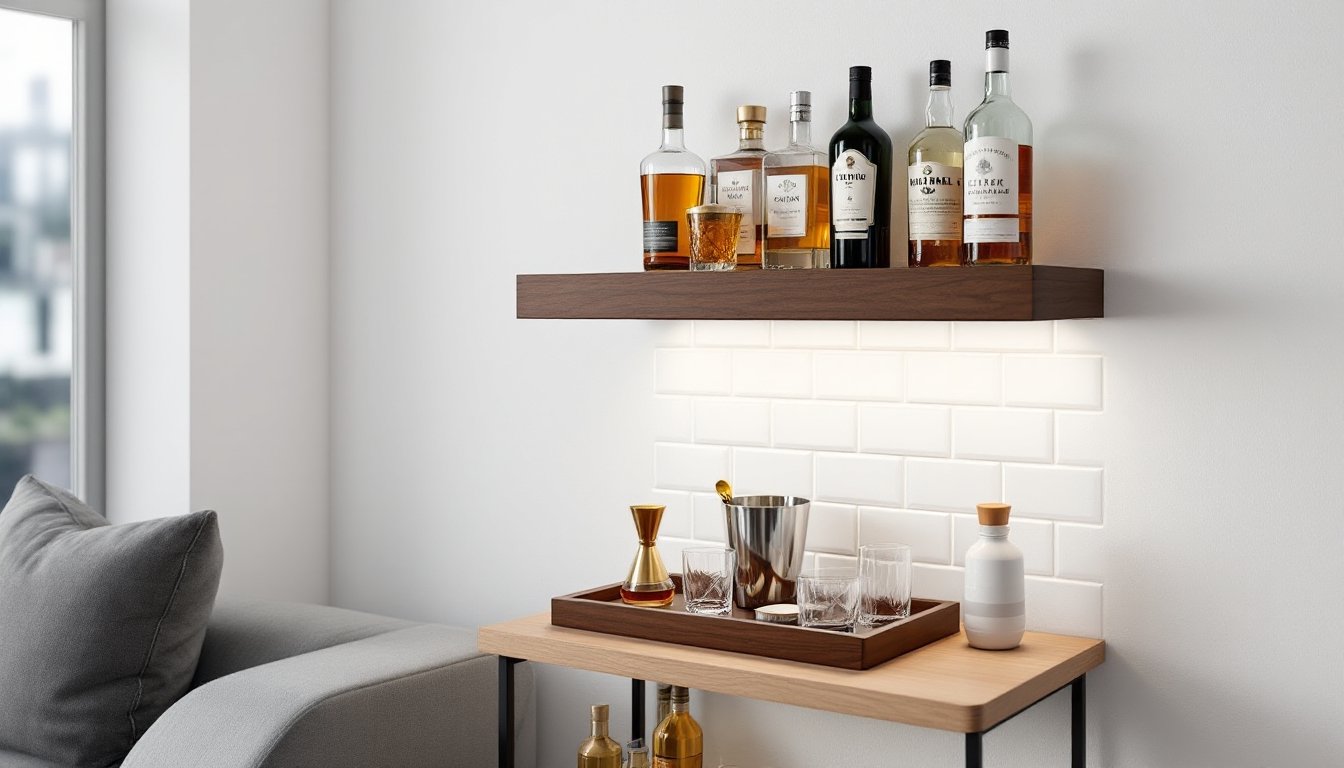
Utilize vertical storage solutions. Shelves and wall-mounted units maximize space and declutter the floor, making rooms feel more open.
Prioritize open pathways. Arranging furniture to maintain clear routes improves movement and enhances accessibility for all users.
Arrange larger pieces against walls. Doing so frees up central areas for activities while keeping the flow of the room unobstructed.
Establish functional zones. Different areas for work, relaxation, and social interaction help streamline activities and enhance user experience.
Include seating that promotes interaction. Placing chairs and sofas in a way that encourages conversation benefits social gatherings.
Balance furniture arrangements. Distributing pieces evenly throughout the space ensures visual appeal and prevents overcrowding.
Consider the room’s scale. Selecting appropriately sized furniture relative to the space enhances comfort and usability, avoiding cramped conditions.
Avoid common mistakes. Steering clear of obstructive layouts and neglecting purpose helps maintain an efficient room.
Emphasize natural light. Positioning mirrors and light furniture strategically can reflect and enhance illumination, making the environment inviting.
Implement these strategies. Thoughtful planning leads to improved comfort, satisfaction, and functionality in any room layout.
Embracing an efficient room layout is vital for enhancing both comfort and functionality. By prioritizing thoughtful design, individuals can create spaces that not only look great but also serve their needs effectively. The right arrangement fosters better movement and interaction while maximizing available space.
Implementing practical tips like multifunctional furniture and strategic placement can significantly transform any environment. A well-planned layout not only simplifies daily activities but also contributes to overall well-being. As one invests in room design, the long-term benefits become evident, leading to a more organized and harmonious living experience.