Table of Contents
ToggleCramped kitchens don’t have to mean hand-washing dishes forever. A space saver dishwasher delivers full cleaning power in a fraction of the footprint, perfect for apartments, condos, RVs, or any kitchen where every inch counts. These compact units have evolved far beyond their clunky predecessors, now offering smart features, efficient wash cycles, and surprisingly large capacities. Whether someone’s renovating a galley kitchen or just tired of stacking plates in the sink, understanding the types, features, and installation requirements of space saver dishwashers can turn a tight squeeze into a functional upgrade.
Key Takeaways
- A space saver dishwasher comes in three main types—countertop, compact built-in, and portable—each offering different capacities and installation flexibility for cramped kitchens and apartments.
- Compact built-in models require dedicated electrical circuits and plumbing rough-ins similar to full-size units, so hiring a licensed professional is often necessary to ensure code compliance and avoid costly mistakes.
- Space saver dishwashers hold 6–10 place settings with energy efficiency matching or exceeding full-size models, making them ideal for couples, small families, or secondary kitchens where daily loads are manageable.
- Look for adjustable racks, soil sensors, quiet operation (under 50 dB), ENERGY STAR certification, and active drying features to maximize performance and long-term savings in a space saver dishwasher.
- Portable and countertop units are plug-and-play installations perfect for renters, requiring only a faucet adapter and drain hose connection with no permanent modifications needed.
- Install an air gap or high loop on the drain line per local plumbing codes, adjust leveling feet for proper door closure, and run a test cycle to catch leaks before full use.
What Is a Space Saver Dishwasher?
A space saver dishwasher is any dishwasher narrower, shorter, or more portable than the standard 24-inch built-in model. Most measure 18 inches wide (the most common compact built-in size), though countertop models can be as small as 17 inches wide and 17 inches tall.
These units typically hold 6 to 8 place settings compared to the 12–16 of full-size machines. That’s enough for a couple or small family, especially if dishes are run daily. Water and energy consumption often match or beat full-size models per load, compact doesn’t mean inefficient.
Space savers aren’t just for tiny homes. They’re a smart choice for secondary kitchens, in-law suites, or anyone who doesn’t generate enough dishes to justify a full-size unit. The key is matching capacity and installation type to the actual layout and usage patterns of the space.
Types of Space Saver Dishwashers
Countertop Dishwashers
Countertop models sit on the counter and connect to the kitchen faucet via a quick-connect adapter. No permanent plumbing or electrical work required, just plug into a standard 120V outlet.
Most countertop units measure around 17–21 inches wide, 17–22 inches deep, and 17–20 inches tall. They hold 4 to 6 place settings, making them ideal for singles, couples, or as a supplement to hand-washing. Wash cycles run 30–90 minutes depending on soil level.
The trade-off is counter space. These units aren’t small, they occupy roughly the footprint of a large microwave. For kitchens lacking counter real estate, this can be a deal-breaker. But for renters or anyone avoiding permanent modifications, they’re unbeatable. Just like choosing space-saving microwaves for tight kitchens, countertop dishwashers prioritize flexibility over capacity.
Drainage typically runs into the sink via a drain hose. Ensure the sink is clear during operation, and check that the faucet aerator is compatible with the adapter, some pulldown or commercial-style faucets won’t fit standard connectors.
Compact Built-In Dishwashers
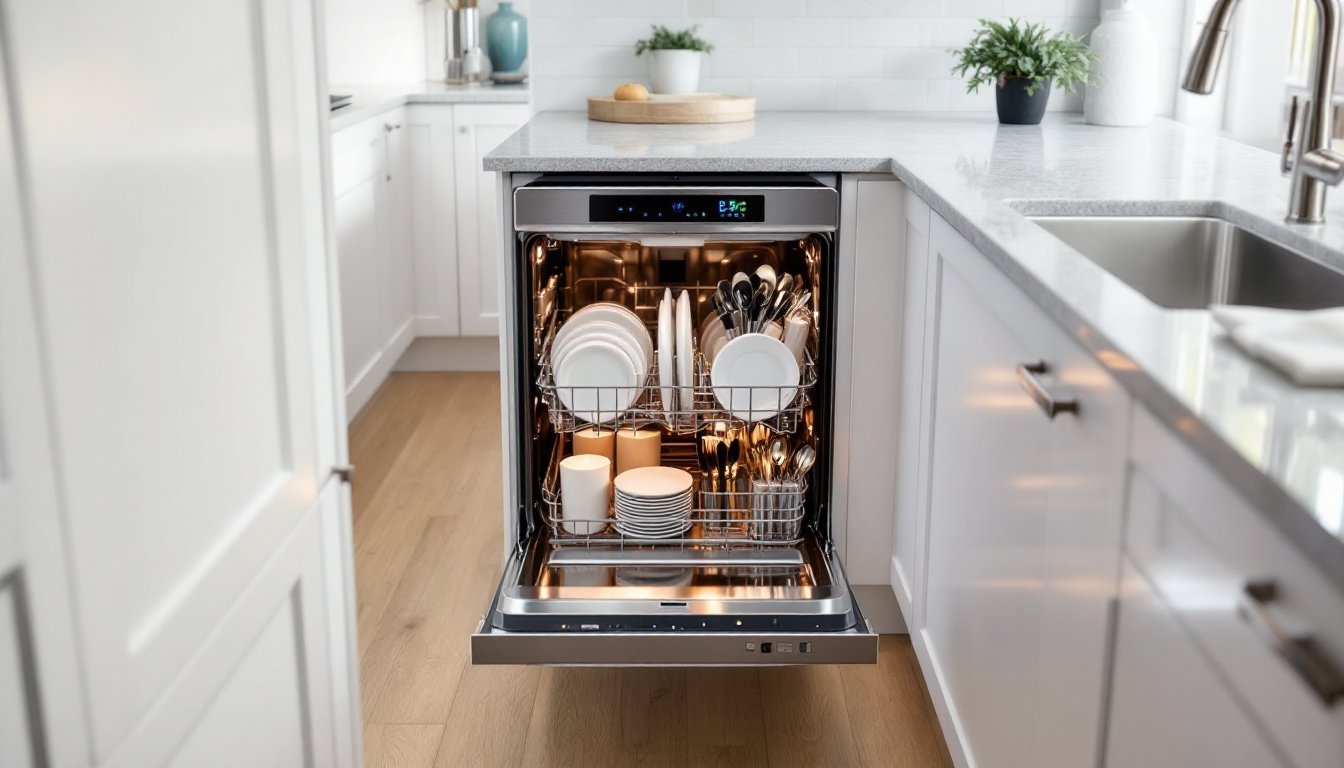
Compact built-ins are the 18-inch-wide versions of standard dishwashers, designed to slide under a counter and integrate with cabinetry. They require the same rough-in as full-size units: a dedicated 120V circuit (15 or 20 amp), a hot water supply line (typically ½-inch copper or braided stainless), and a drain connection to the sink or garbage disposal.
Capacity ranges from 6 to 10 place settings. Rack configuration varies, some have a third rack for utensils, which maximizes space but may limit tall-item clearance on the bottom rack.
Installation requires basic plumbing and electrical skills, plus leveling feet adjustment to ensure proper door operation and drainage. Many jurisdictions require a high loop or air gap on the drain line to prevent backflow, per the International Plumbing Code (IPC). Check local codes before roughing in.
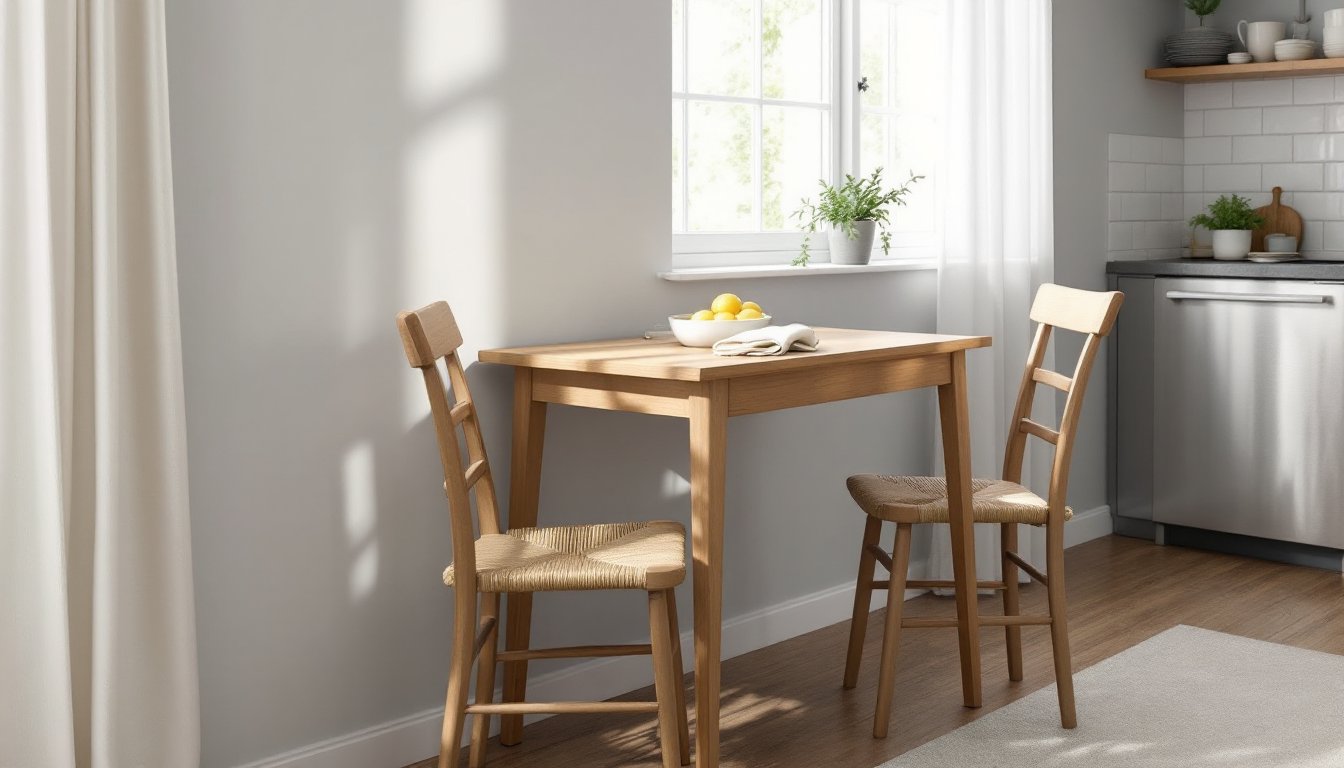
These units shine in kitchen remodels where wall space allows an 18-inch cabinet opening. Pair them with space-saving tables in adjacent dining areas to keep the entire footprint efficient. Brands like Bosch, Miele, and GE offer 18-inch models with front controls and panel-ready doors for seamless integration.
Portable Dishwashers
Portable dishwashers are freestanding units on wheels, typically 18–24 inches wide. They connect to the faucet like countertop models but roll out of the way when not in use. Most include a butcher-block or stainless steel top, effectively doubling as a rolling prep cart.
They’re a middle ground: more capacity than countertop models (usually 8–12 place settings) but without permanent installation. Drainage and water supply work the same as countertop units, hook to the faucet, drain into the sink.
The downside is storage. Even when rolled away, they occupy floor space. In kitchens with narrow aisles or limited clearance, a portable unit can become an obstacle. Measure twice: account for the door swing, hose routing, and clearance to roll it in and out.
Portables work well for renters or anyone planning to move soon. Converting a portable to a built-in is sometimes possible with a conversion kit (essentially removing the wheels and top), but not all models support it.
Key Features to Look for When Buying
Capacity and Rack Layout: Check place setting count, but also inspect rack design. Adjustable tines, fold-down shelves, and a third rack add flexibility. Measure tall items (water bottles, baking sheets) and confirm they’ll fit, some compact models sacrifice height.
Wash Cycles and Soil Sensors: Look for at least three cycles: light, normal, and heavy. Soil sensors adjust water and time based on load dirtiness, improving efficiency. A quick wash (30–60 minutes) is useful for lightly soiled loads.
Noise Level: Compact dishwashers range from 45 to 55 decibels. Anything under 50 dB is quiet enough for open-plan spaces. Units with stainless steel tubs and additional insulation run quieter than plastic-tub models. Experts at Good Housekeeping’s compact dishwasher reviews consistently rate noise as a top user concern.
Energy and Water Use: ENERGY STAR®-certified models use roughly 3–4 gallons per cycle and 200–300 kWh annually. Compare the yellow EnergyGuide label to estimate operating costs. In regions with high water or electricity rates, efficient models pay for themselves faster.
Drying System: Condensation drying (common in compact units) uses residual heat and is energy-efficient but may leave plastic items damp. Fan-assisted drying or automatic door pop features improve results. If air-drying dishes isn’t appealing, prioritize models with active drying tech.
Controls and Connectivity: Digital controls offer precision and cycle customization. Some models include Wi-Fi connectivity for remote start or maintenance alerts, helpful but not essential. For small-space living, simpler controls often mean fewer points of failure.
Door Clearance: Compact units may have a 90-degree or 180-degree door swing. In tight kitchens, a door that swings fully open can block traffic. Measure the space with the door down before buying.
Build Quality: Stainless steel tubs resist staining and odors better than plastic. Check the pump and spray arm construction, metal components typically outlast plastic. Warranty terms (usually 1–2 years parts and labor) signal manufacturer confidence.
Installation Tips and Requirements
Countertop and Portable Models: Installation is plug-and-play. Attach the faucet adapter, connect the inlet hose, and route the drain hose into the sink. Run a test cycle to check for leaks at the faucet connection, tighten the adapter hand-tight, then snug with pliers if needed (don’t overtighten and crack the threads).
Ensure the drain hose has a high point (often clipped to the counter edge) to prevent backflow. The unit must sit level, adjust feet if the door doesn’t latch properly.
Compact Built-Ins: Rough-in requirements mirror full-size dishwashers but in a smaller footprint.
-
Electrical: Run a dedicated 120V, 15A circuit (or 20A if specified). Use 12/2 NM cable (Romex) with ground. Dishwashers must be GFCI-protected per 2026 NEC Article 422.5, install a GFCI breaker or receptacle. Consult an electrician if unsure: permits are often required for new circuits.
-
Plumbing: Install a ½-inch ball valve on the hot water line under the sink. Connect a braided stainless supply line (most units include this). For drainage, tap into the sink tailpiece or garbage disposal with a dishwasher wye. Install an air gap (a chrome dome on the sink or counter) if required by local code, it prevents dirty water from siphoning back. If an air gap isn’t mandated, create a high loop by securing the drain hose to the underside of the counter, at least 20 inches above the floor.
-
Cabinet Prep: The opening should be 18 inches wide, 24 inches deep, and 34–35 inches tall (measure your specific model). Remove the kick plate and check for obstructions (shutoff valves, P-trap). Some installers cut a ¾-inch notch in the side of the cabinet for hose routing.
-
Leveling and Securing: Slide the unit in, leaving slack in the hoses. Adjust the front leveling feet until the dishwasher is plumb (use a level on the top edge). Attach mounting brackets to the underside of the counter to prevent tipping. Run a test cycle and check for leaks at all connections.
Permits: Built-in installations involving new electrical circuits or plumbing alterations typically require a permit. Code inspections ensure safe wiring (no reversed polarity, proper GFCI) and compliant drainage. Skipping permits can cause issues during home sales or insurance claims.
Professional Help: If the kitchen lacks existing rough-ins (no water line, no drain access, no nearby outlet), hire a licensed plumber and electrician. Cutting into walls, running new lines, and ensuring code compliance is beyond most DIY comfort zones. Expect to budget $150–$400 for professional installation on top of the unit cost (regional labor rates vary).
Tool List for DIY Install:
- Adjustable wrench and basin wrench
- Screwdrivers (flathead and Phillips)
- Torpedo level
- Drill/driver (for mounting brackets)
- Tubing cutter (if modifying water lines)
- Teflon tape (for threaded connections)
- Multimeter (to verify circuit voltage)
Safety Gear: Wear safety glasses when working under the sink (debris and old crud fall). Use work gloves when handling sharp cabinet edges or metal fittings. Turn off the water supply and circuit breaker before making any connections.
Post-Install Checklist: Run an empty cycle with a dishwasher cleaner to flush manufacturing residues. Listen for unusual noises (grinding, squealing) that might indicate a shipping bolt left in place. Check the door seal, wipe it down and confirm it’s seated evenly. Monitor the first few loads for leaks at the supply line, drain connection, and door gasket.
For homeowners juggling multiple compact upgrades, pairing a space saver dishwasher with folding dining furniture or compact laundry solutions creates a cohesive, efficient layout. Design inspiration from sites like Remodelista showcases how integrated compact appliances elevate small-space functionality without sacrificing style.