Table of Contents
ToggleIn a world where space is often at a premium, integrated furniture swoops in like a superhero armed with style and functionality. Imagine a coffee table that morphs into a dining table or a sofa that doubles as a bed. It’s not just furniture; it’s a lifestyle choice that saves space and adds a dash of creativity to any room.
Gone are the days of bulky, one-dimensional pieces that take up valuable real estate. With integrated furniture, every square inch counts, transforming cluttered spaces into organized havens. Whether it’s a tiny apartment or a spacious home, this innovative approach to design makes living smarter—and let’s be honest, who doesn’t want to feel like a genius in their own home? Embrace the future of furniture and discover how integrated solutions can elevate your living experience.
Overview of Integrated Furniture
Integrated furniture represents a modern solution for optimizing living spaces. It combines aesthetic appeal with practical functionality. These innovative pieces transform rooms into organized environments while reducing clutter.
Common examples include coffee tables that convert into dining tables, offering flexibility for dining needs. Sofas that double as beds create additional sleeping areas, accommodating guests without sacrificing space. Bookcases with fold-out desks serve both storage and workspace purposes, enhancing versatility in home offices.
Integration doesn’t just save space; it enhances the overall efficiency of home layouts. Many homeowners find that specific designs contribute to a streamlined look without compromising on comfort. Decisions around integrated furniture often reflect personal style and lifestyle requirements, making it easier to maintain a harmonious living environment.
Investing in integrated furniture can yield long-term benefits. These versatile items often feature durable materials that withstand daily use. They appeal to homeowners seeking minimalist designs that maximize utility. The right choices in integrated furniture elevate both functionality and design while promoting a more structured approach to living spaces.
Truly, integrated furniture exemplifies a smart blend of form and function, catering to modern needs. Prioritizing such designs can lead to more efficient, enjoyable living conditions.
Benefits of Integrated Furniture
Integrated furniture offers numerous advantages that enhance the livability of spaces. It emphasizes the combination of style and function.
Space Efficiency
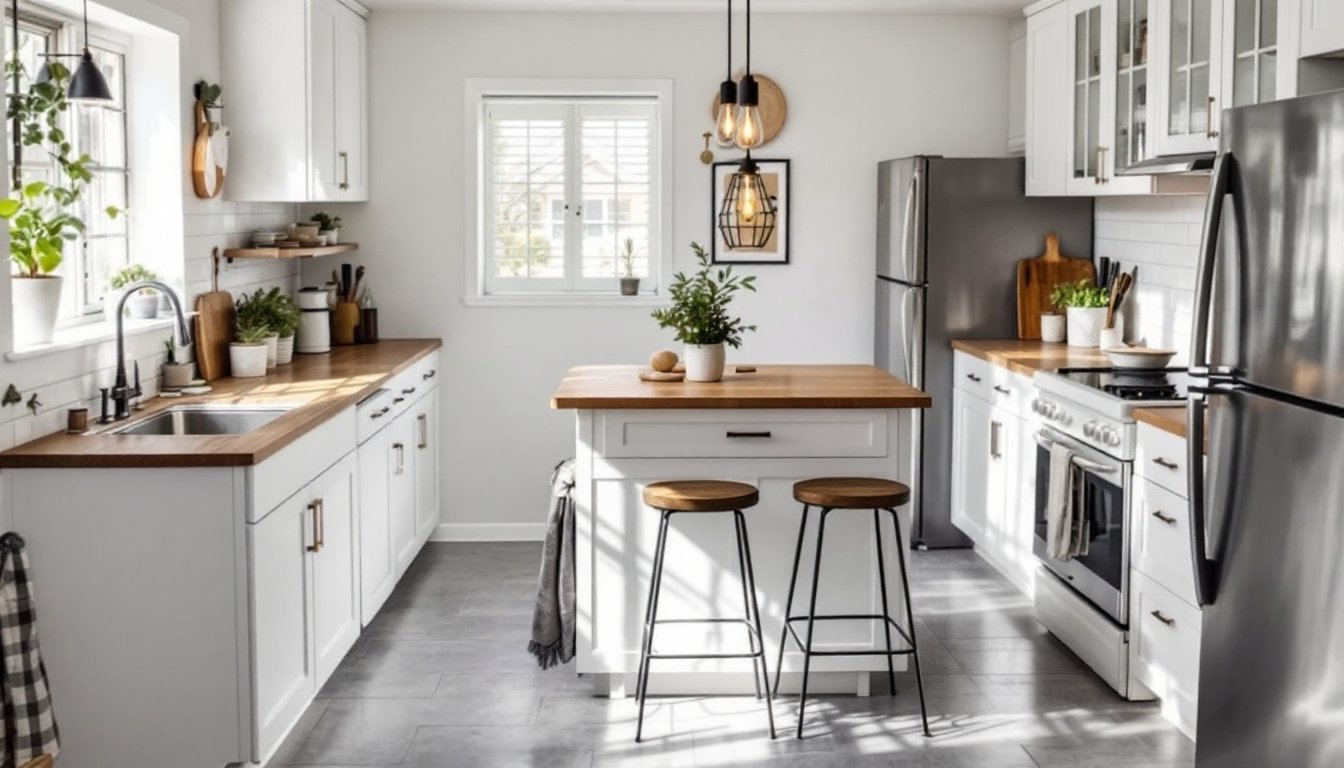
Space efficiency stands out as a primary benefit of integrated furniture. Featuring items that serve multiple purposes, it allows for effective use of limited square footage. For example, pieces like Murphy beds or coffee tables that convert to dining tables free up floor space while still providing essential functions. This design approach transforms cramped areas into organized environments, effectively reducing clutter and enabling more fluid movement throughout the home. Additionally, built-in storage solutions, such as seating with drawers, maximize every nook and cranny, promoting an airy atmosphere.
Versatility and Functionality
Versatility and functionality represent significant attributes of integrated furniture. Designs adapt to various needs, accommodating different activities within a single piece. For instance, sectional sofas fitted with storage or adjustable heights create spaces suitable for relaxation or entertaining. A fold-out desk can serve as a workspace during the day and a console table by night. Such multifunctional capabilities make it easy to personalize living areas, catering to diverse lifestyles without compromising on style. Overall, integrated furniture not only meets practical requirements but also enhances visual appeal throughout the home.
Design Options for Integrated Furniture
Integrated furniture offers various design options that enhance both aesthetics and utility. Such pieces fit seamlessly into different home styles while serving multifunctional roles.
Modern Designs
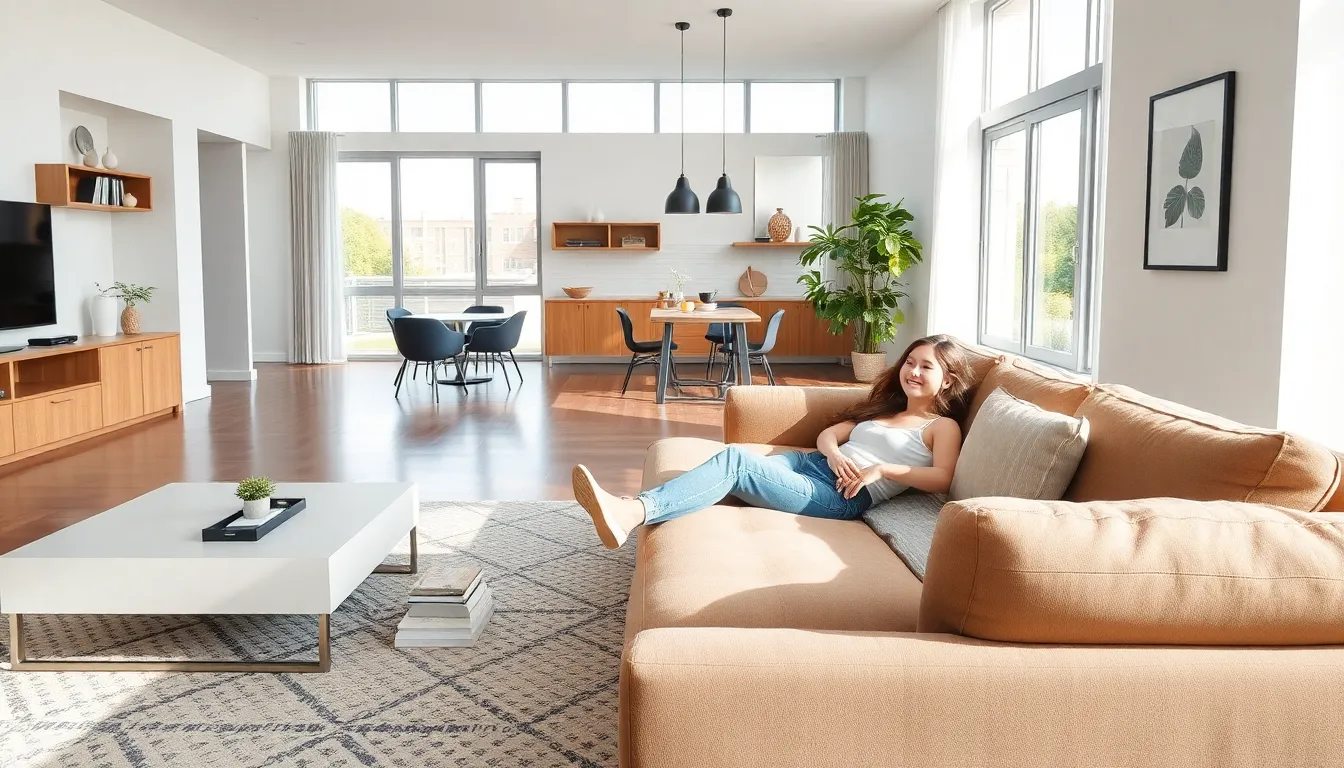
Modern designs prioritize sleek lines and minimalistic features. Products like modular sofas and expandable tables exemplify this trend, fitting into small, contemporary spaces with ease. Large windows and open floor plans complement integrated furniture, allowing natural light to brighten these innovative items. Colors often reflect neutrality, aligning with current design trends, while materials include sustainable wood and metal for durability.
Customizable Solutions
Customizable solutions cater to individual preferences and needs. Options range from adjustable shelving units to sofas that adapt to various configurations. Clients can select colors, finishes, and even specific dimensions, ensuring each piece fits perfectly within their environments. This flexibility extends to built-in storage solutions, allowing homeowners to create unique spaces tailored to their lifestyles. Integrated furniture can thus become a reflection of personal style, merging functionality with aesthetic appeal seamlessly.
Materials Used in Integrated Furniture
Integrated furniture often incorporates a range of materials that combine style with functionality. Key aspects of these materials enhance sustainability and durability.
Sustainable Choices
Sustainable materials play a crucial role in the production of integrated furniture. Bamboo stands out due to its rapid growth and renewability. Recycled wood also garners favor, as it repurposes materials while reducing waste. Manufacturers often select eco-friendly finishes that emit fewer volatile organic compounds, enhancing indoor air quality. Furthermore, some pieces utilize organic fabrics, ensuring that textiles are free from harmful chemicals. These choices reflect a commitment to environmental responsibility while meeting consumer demand for stylish, functional pieces.
Durability Factors
Durability significantly influences the choice of materials in integrated furniture. Solid hardwoods, such as oak and maple, provide long-lasting stability, ensuring pieces withstand daily use. Engineered woods offer resilience and consistent performance, resisting warping and cracking over time. Metal components, often seen in frames or hardware, contribute to structural integrity and longevity. High-performance fabrics resist stains and wear, making them ideal for multifunctional items. Quality craftsmanship underpins these durable materials, ensuring each piece adapts to various uses while maintaining its form and function in modern living spaces.
Integrated furniture represents a modern solution for those looking to enhance their living spaces. By combining style with functionality these pieces not only save space but also elevate the overall aesthetic of a home. The versatility offered by multifunctional designs allows for a seamless transition between different activities while maintaining an organized environment.
Investing in integrated furniture is a smart choice for anyone aiming to create a more efficient and enjoyable living area. With options that cater to diverse needs and personal styles this approach to furniture design promotes a clutter-free lifestyle. Embracing integrated furniture can ultimately lead to a more harmonious home that reflects both practicality and elegance.