Table of Contents
ToggleSiding repair might not sound like the most thrilling topic, but it’s the unsung hero of home maintenance. Think of it as the armor your house wears against the elements. When that armor gets dinged up, it’s not just an eyesore; it can lead to bigger problems like water damage or pests throwing a party in your walls. Who wants that?
Importance Of Siding Repair
Siding repair plays a crucial role in maintaining a home’s integrity. Effective repairs prevent issues like water damage and pest infestations.
Protecting Your Home
Proper siding keeps moisture out, which helps maintain structural integrity. Water infiltration can damage walls and lead to costly repairs. Damage also invites pests, which can compromise safety and comfort. Addressing siding issues promptly protects against these risks. Regular maintenance ensures that the siding serves its intended purpose effectively.
Enhancing Curb Appeal
Well-maintained siding significantly boosts a home’s visual appeal. First impressions rely on exterior conditions, and faded or damaged siding detracts from attractiveness. Boosting curb appeal can increase property value and attract potential buyers. Upgraded siding options provide modern aesthetics, which can rejuvenate the entire look of a house. Investing in siding repair enhances both beauty and marketability.
Common Siding Issues
Siding can face various issues that require prompt attention. Understanding these problems helps homeowners maintain their property’s integrity.
Peeling Paint
Peeling paint indicates moisture penetration or poor adhesion. Surfaces may require sanding and repainting to restore appearance. Regular maintenance can prevent peeling, ensuring protection against water damage. Homeowners often find it beneficial to inspect siding every few years. Direct sunlight and rain exposure can accelerate paint deterioration.
Cracks and Holes
Cracks and holes in siding allow moisture intrusion or pest access. Small cracks may be filled with caulk or sealant, preventing further damage. Larger holes may need a siding replacement or patching for adequate protection. Homeowners should inspect their siding after severe weather, as high winds can exacerbate these issues. Addressing cracks and holes promptly safeguards against mold growth and reduces repair costs.
Siding Repair Techniques
Siding repair techniques vary, but addressing issues promptly benefits both appearance and structural integrity. Effective methods ensure lasting protection for the home.
DIY Repair Tips
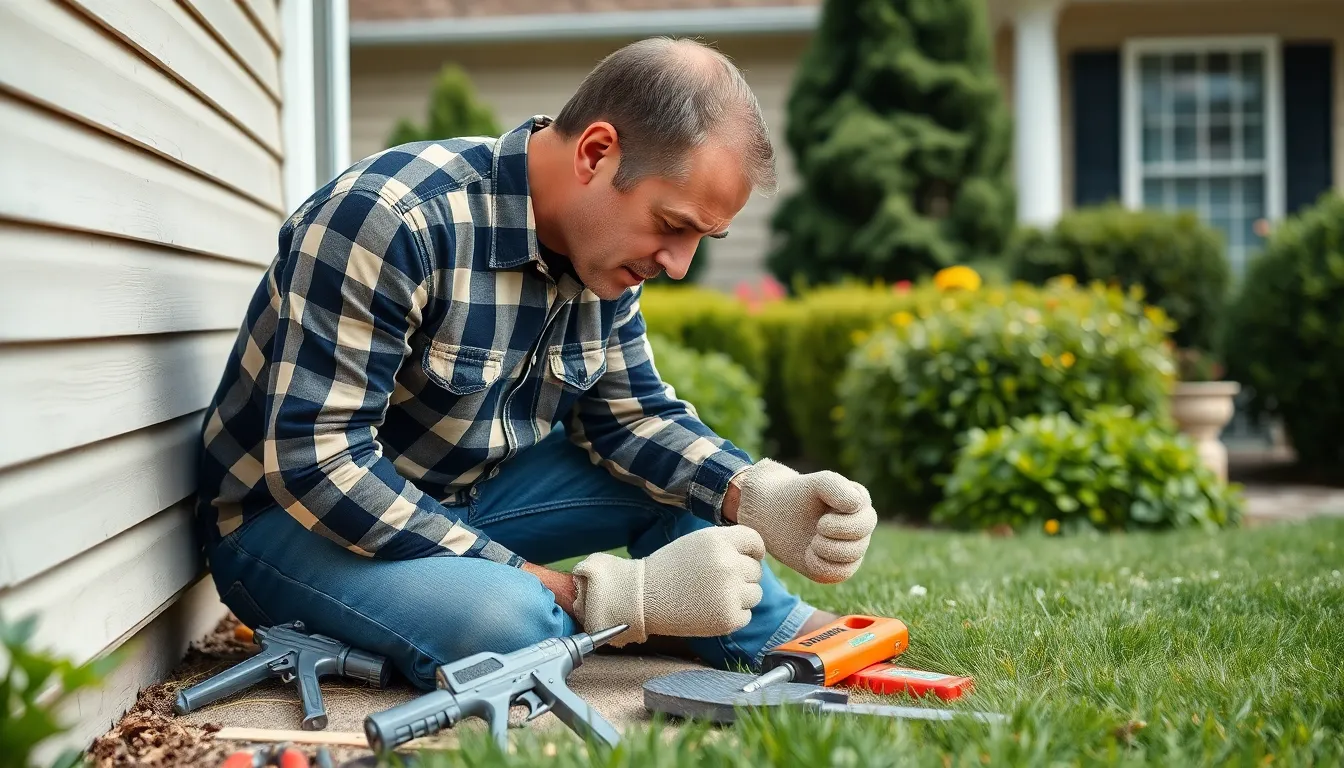
Homeowners often find simple siding repairs manageable. Filling small cracks with caulk provides an easy solution. Sanding and repainting peeling areas restores the surface’s appearance. Regular inspections uncover minor issues before they escalate. Keeping siding clean helps prevent mold and mildew buildup. Gather necessary tools like a paintbrush, caulk gun, and ladder for safe access. Ensure safety by checking for damaged electrical lines or loose debris. Always prioritize using materials matching the existing siding for a seamless look.
When To Hire A Professional
Certain siding repairs require professional expertise. Extensive damage often signals a need for professional intervention. Homeowners should consider hiring experts when dealing with large holes or entire panel replacements. Complex problems, such as underlying moisture damage, demand specialized knowledge. Inspecting for pest infestations can also prove challenging without experience. Depending on the siding type, unique materials may require advanced installation techniques. Local regulations may need to be followed for some repairs as well. Investing in a professional service often ensures long-term durability and proper aesthetic alignment.
Cost Considerations
Siding repair costs vary based on several key factors. Homeowners often face expenses influenced by material types, labor rates, and the extent of damage.
Factors Influencing Repair Costs
Material choice significantly impacts the final price. Vinyl siding tends to be more affordable, while wood or fiber cement can incur higher costs. Labor rates also play a crucial role; local demand for contractors influences pricing. Repair complexity contributes to expenses as well. Minor fixes often require less time and effort than substantial repairs, such as replacing entire panels.
Budgeting For Siding Repair
Budgeting requires a clear understanding of potential expenses. Begin by estimating material costs based on square footage, often ranging from $2 to $10 per square foot, depending on the choice of siding. Labor typically adds an additional $3 to $7 per square foot. Setting aside 10 to 20 percent for unexpected expenses ensures financial flexibility. Additionally, homeowners might consider financing options or insurance claims for extensive damage to ease the burden.
Siding repair is essential for maintaining a home’s safety and aesthetic appeal. By addressing issues like peeling paint and cracks promptly, homeowners can prevent more significant problems down the line. Regular inspections and maintenance not only protect against moisture and pests but also enhance curb appeal, increasing property value.
Whether opting for DIY solutions or seeking professional help, investing in siding repair pays off in the long run. Homeowners should prioritize this aspect of home maintenance to ensure their property remains both beautiful and structurally sound. Taking the right steps today can lead to a more inviting and resilient home tomorrow.