Table of Contents
ToggleA small kitchen doesn’t mean sacrificing function or style, it just requires smarter choices. Whether you’re working with a galley setup in a rental or a compact corner in an older home, the right strategies can transform cramped into comfortable. This guide breaks down practical solutions for storage, layout, lighting, and appliances that actually fit the space you have. No vague inspiration boards here, just concrete ideas that homeowners and DIYers can measure, buy, and install.
Key Takeaways
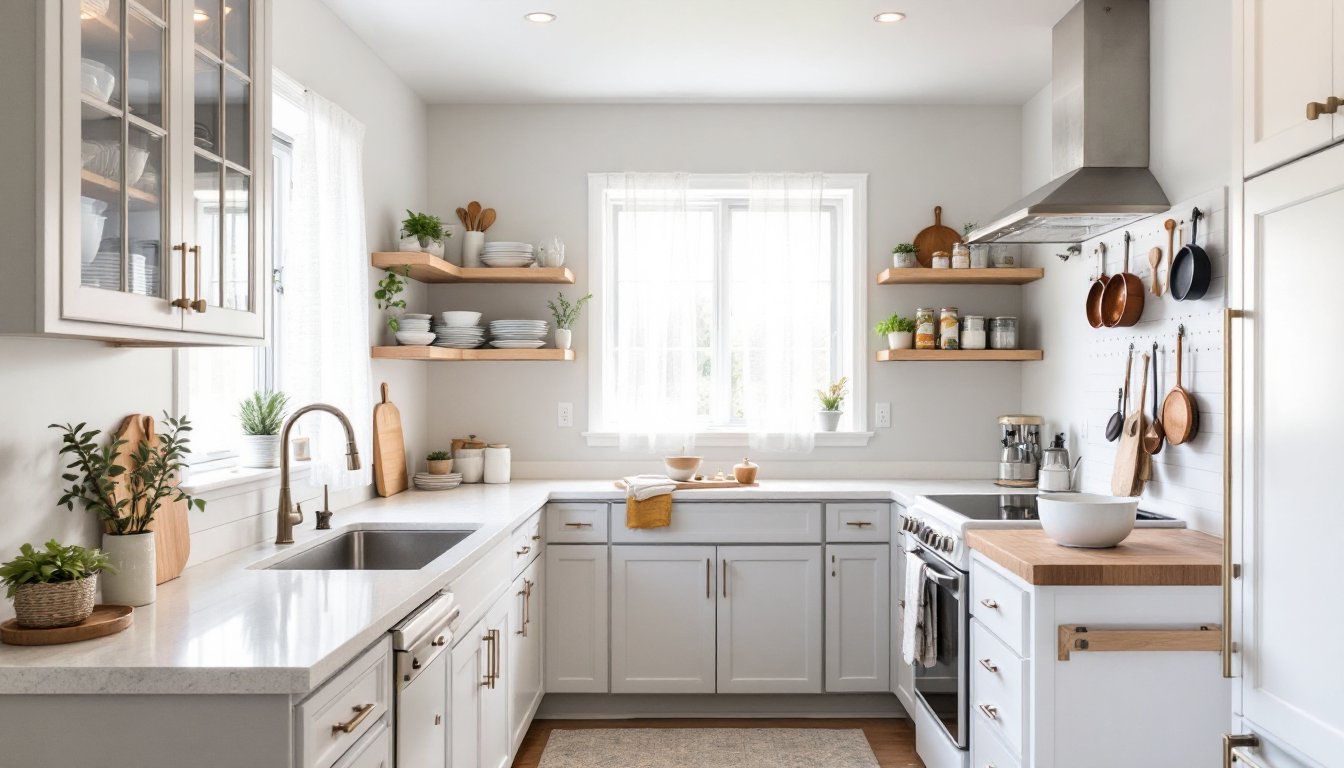
- Vertical storage solutions like floating shelves, pegboards, and magnetic strips maximize wall space without sacrificing counter room in small kitchen ideas.
- The efficient work triangle in compact kitchens should total 12 to 26 feet, with galley kitchens requiring at least 42–48 inches of clear aisle width for safe cooking.
- Light colors, reflective surfaces, and glass-front cabinetry visually expand small spaces while multi-layered lighting (under-cabinet, recessed, and pendant fixtures) eliminates shadows and improves functionality.
- Space-saving appliances like 20–24-inch ranges, 18-inch dishwashers, and compact microwaves deliver full cooking capability without overwhelming tight kitchens.
- Hidden storage solutions including toe-kick drawers, pull-out pantries, and bench seating with lift-up lids hide clutter while adding dual functionality to small kitchen layouts.
- Declutter countertops by storing appliances in appliance garages and cabinets—every unused surface directly reduces your functional workspace.
Smart Storage Solutions for Compact Kitchens
Storage is the make-or-break factor in small kitchens. Every utensil, pot, and pantry item needs a designated spot, or counters vanish under clutter.
Vertical Storage and Wall-Mounted Options
Walls are underused real estate in tight kitchens. Open shelving runs about $30–$80 for DIY-installed floating shelves (using 16-inch on-center stud mounting with appropriate anchors rated for the load). Metal brackets rated for 50+ pounds per pair work well for heavy dishware.
Pegboards offer adjustable storage for utensils, pans, and small appliances. Install a ¼-inch pegboard sheet over furring strips to create air space behind it, critical for hook insertion. Paint or seal the board to match your aesthetic. Position it above counters or on empty wall sections flanking the stove.
Magnetic knife strips and adhesive-backed hooks keep tools off counters without drilling. For renters, removable Command-style hooks (rated by weight, check packaging) mount on backsplashes or cabinet sides.
Ceiling pot racks work in kitchens with 8-foot or higher ceilings. Locate ceiling joists with a stud finder and use lag bolts rated for the rack’s loaded weight plus a safety margin. Keep clearance at least 6 feet from the floor to avoid head strikes.
Don’t overlook the inside of cabinet doors. Slim racks for cutting boards, lids, or spices mount with screws or adhesive strips. Measure door clearance before installing, some hinges won’t close with added bulk.
Multi-Functional Furniture and Hidden Storage
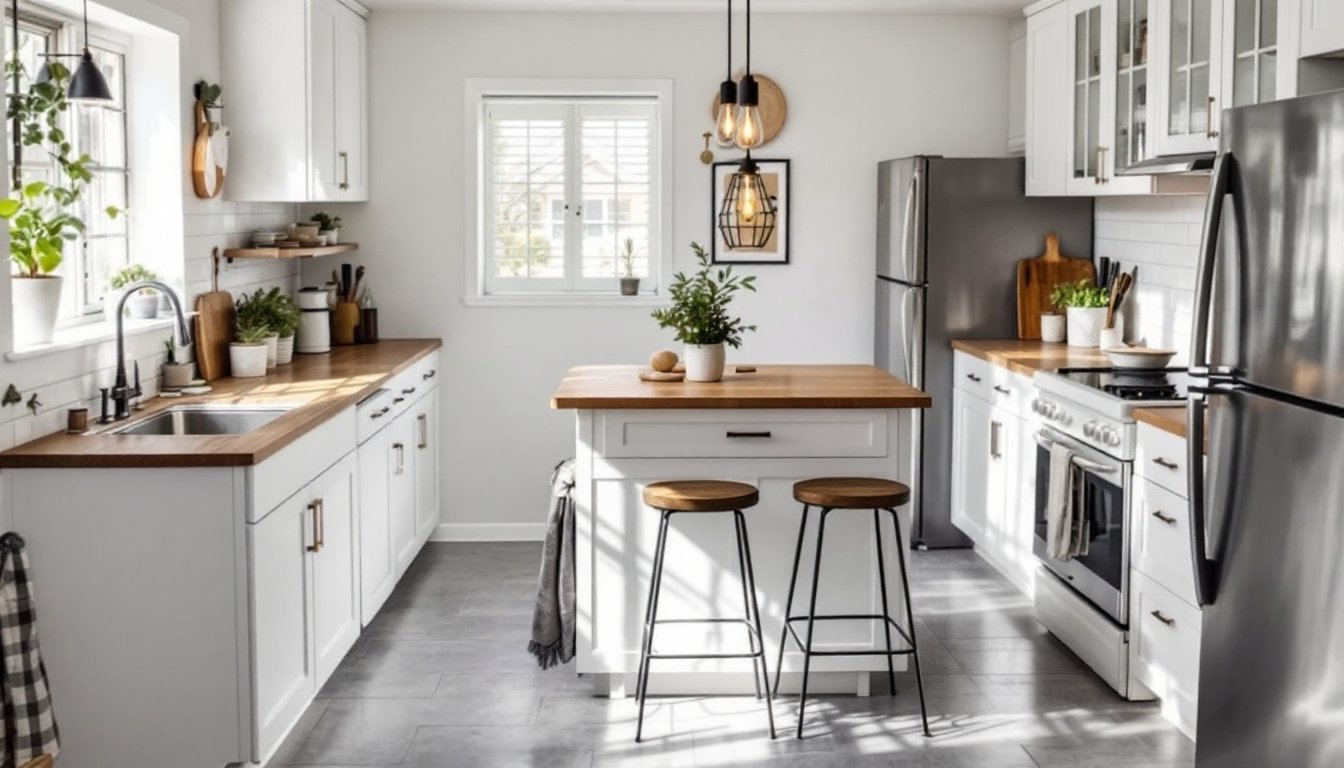
In kitchens that double as dining or living areas, furniture earns its footprint by doing double duty. Kitchen islands on casters add prep surface and storage, then roll out of the way. Look for models with shelves, drawers, or a drop-leaf extension. Butcher-block tops provide an extra cutting surface: stainless steel versions resist heat and moisture better.
Pull-out pantry cabinets (also called slide-out or rolling pantries) fit in narrow gaps as slim as 6 inches. These vertical storage units maximize awkward spaces beside fridges or stoves. Install soft-close slides rated for the total load, cheaper slides bind and fail under the weight of canned goods.
Toe-kick drawers transform the recessed space under base cabinets into usable storage. They’re ideal for flat items like baking sheets, cutting boards, or dish towels. Retrofitting requires removing the toe-kick board, installing drawer slides, and building a shallow drawer box, doable with basic carpentry skills and a miter saw for clean cuts.
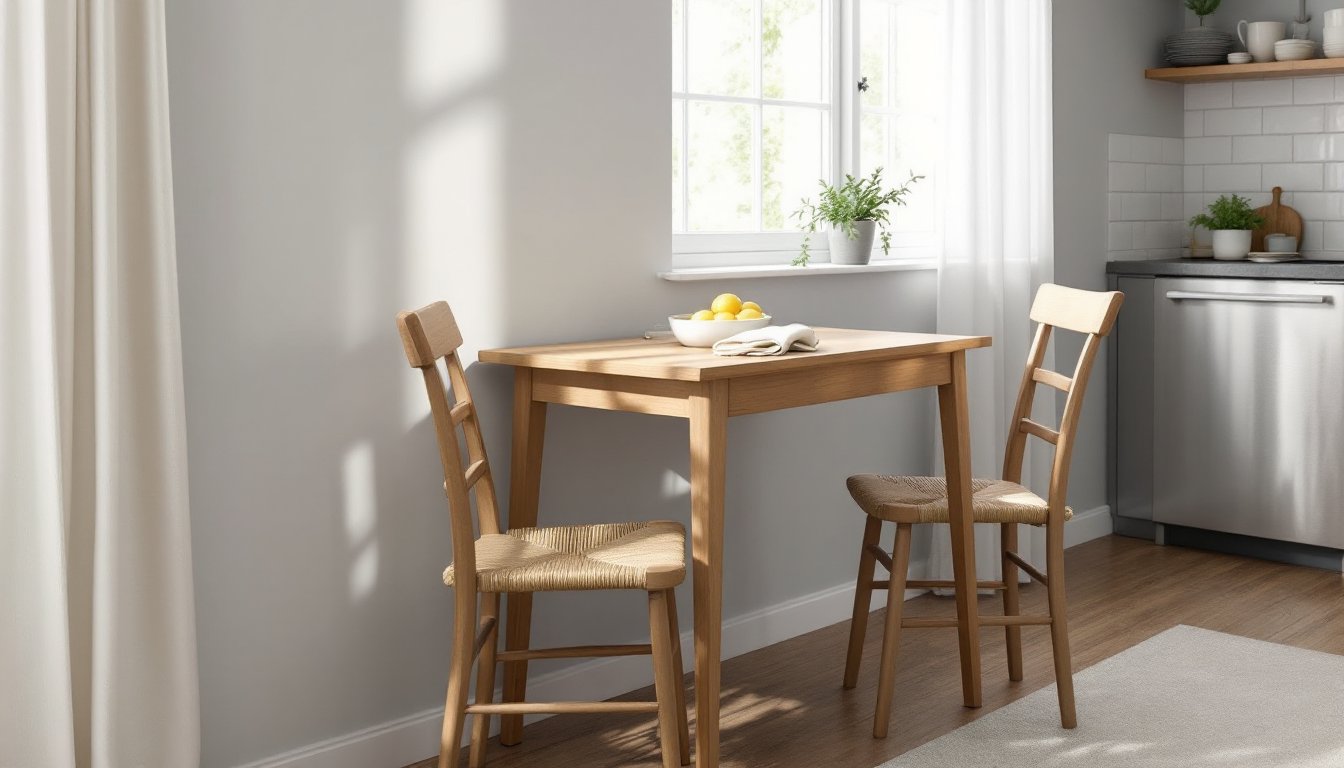
Bench seating with lift-up lids or drawers underneath adds seating plus storage for linens, small appliances, or bulk pantry items. For space-conscious dining areas, consider compact table and chair sets that tuck neatly against walls when not in use.
Layout and Design Tricks to Make Your Kitchen Feel Larger
Layout choices dramatically affect how spacious a kitchen feels, even when square footage stays the same.
The work triangle, the path between sink, stove, and refrigerator, should total 12 to 26 feet for efficiency in small kitchens. Tighter triangles reduce steps but can feel cramped with multiple cooks. In galley kitchens, place the sink and stove on one wall, fridge on the other, to avoid crossing traffic.
Galley layouts work well in narrow spaces (as little as 8 feet wide), but keep the aisle at least 42 inches clear to allow cabinet and appliance doors to open without blocking passage. If two cooks share the space, 48 inches is safer.
L-shaped layouts fit corners efficiently and open up one side for a small dining table or cart. Corner cabinets often waste space, so install lazy Susans or pull-out corner organizers to access deep recesses.
Replace solid cabinet doors with glass-front or open shelving on upper cabinets. This reduces visual weight and creates the illusion of depth. Keep displayed items organized, clutter negates the benefit.
Reflective surfaces bounce light and expand perceived space. High-gloss cabinet finishes, polished countertops (quartz or granite), and glass tile backsplashes all contribute. Stainless steel appliances add a reflective element, though fingerprints are a tradeoff.
Minimize or eliminate upper cabinets on one wall to open sight lines. Replace them with floating shelves or a single row of cabinets mounted higher (18–20 inches above counters instead of the standard 18 inches). This isn’t for everyone, you’ll lose storage, but it can make a cramped kitchen feel less claustrophobic.
For more strategies on making the most of limited square footage, designers often turn to compact kitchen planning for additional visual tricks and case studies. Keep countertops clear. Every appliance left out shrinks usable workspace. Store toasters, mixers, and coffee makers in cabinets or appliance garages, pull-down or lift-up cabinet doors that hide countertop clutter.
Color Schemes and Lighting That Open Up Small Kitchens
Color and light are low-cost, high-impact tools for expanding a small kitchen’s feel.
White and light neutrals (soft grays, warm beiges, pale greens) reflect more light than dark colors, making walls and ceilings recede. This doesn’t mean sterile, add warmth with wood tones, brass hardware, or colorful accessories.
Monochromatic schemes reduce visual breaks. Painting cabinets, walls, and trim in similar tones creates a seamless look. Contrast draws the eye and chops up space, so use it sparingly, maybe on an accent wall or island.
Two-tone cabinets can work if done carefully: lighter uppers, slightly darker lowers. This grounds the space without overwhelming it. Avoid high-contrast combos (black and white) in very small kitchens, they emphasize boundaries.
Lighting is non-negotiable. Small kitchens often suffer from a single overhead fixture that casts shadows and leaves corners dim.
- Under-cabinet LED strip lights illuminate counters for task work. Hardwired versions require basic electrical skills (turn off the breaker, run wire through cabinets, connect to a switch). Plug-in kits are easier but visible cords can look messy. LEDs draw minimal power and stay cool, important in tight spaces.
- Recessed can lights (4-inch diameter works in low ceilings) provide even ambient light. Space them about 4 feet apart. Installation involves cutting ceiling holes, running cable (often requiring attic or crawl space access), and connecting to a switch. If the ceiling is plaster or you’re unfamiliar with electrical codes (NEC Article 410 for lighting), hire a licensed electrician.
- Pendant lights over an island or peninsula add task lighting and visual interest. Hang them 30–36 inches above the counter. In kitchens with 8-foot ceilings, choose compact fixtures to avoid head clearance issues.
- Dimmer switches let you adjust brightness for different tasks and times of day. Install compatible LED dimmers, standard dimmers can cause LED flicker.
Maximize natural light by keeping windows uncovered or using sheer, light-filtering shades. If privacy is a concern, frosted window film provides obscurity without blocking light. Many homeowners find that updating fixtures and finishes with the latest space-saving trends can dramatically shift how a kitchen feels.
Space-Saving Appliances and Fixtures
Standard appliances hog space that small kitchens can’t spare. Compact and combination models deliver full function in smaller footprints.
Apartment-size ranges measure 20 or 24 inches wide (vs. standard 30 inches). They fit four burners and a compact oven, enough for most home cooking. Brands like Summit and Avanti specialize in these. Verify clearances: ranges need 30 inches of clearance above the cooktop to combustibles (per IRC) and proper ventilation.
24-inch dishwashers (vs. standard 24-inch models, wait, standard is 24 inches: compact models are 18 inches wide) hold 6–8 place settings instead of 12–14. They fit under counters with standard cabinet heights. Installation is the same as full-size: water supply line, drain connection, and electrical (typically hardwired or plug-in, depending on local code).
Countertop or built-in microwaves free up counter space compared to freestanding models. Over-the-range microwaves combine ventilation and cooking in one unit, but installation is more involved, mounting brackets, ductwork or recirculating vents, and electrical hookup. For counters that need breathing room, a compact microwave solution can make a surprising difference.
Drawer-style refrigerators or under-counter models fit below counters, opening up wall space. These work well as secondary refrigeration or in studio kitchens. Pair with a compact upright freezer if you need frozen storage.
Single-bowl sinks (25 inches or smaller) free up cabinet and counter space. Undermount styles maximize usable sink area for a given footprint. If you wash large pots, measure your biggest pieces before downsizing, some compromises aren’t worth it.
Pull-out or swing-arm faucets extend reach without taking up space. Choose a model with a compact base and high arc for clearance. Sinks as small as 15 inches work in tight prep areas, though washing full-size baking sheets becomes a puzzle. Many creative small-space layouts showcase how thoughtful appliance placement transforms functionality.
Washer-dryer combos or portable dishwashers might make sense if the kitchen doubles as a laundry or utility space, common in apartments. Portable dishwashers roll to the sink, connect via an adapter, then store in a closet or corner.
Slim trash and recycling bins (pull-out models that mount inside cabinets) keep floors clear. Soft-close slides prevent slamming. Bins as narrow as 12 inches fit beside sinks or in pantry cabinets. For broader ideas on optimizing every corner, combining storage and appliance strategies yields the best results.
Conclusion
Small kitchens demand intentionality, every inch, fixture, and finish choice compounds into a space that either frustrates or flows. By stacking vertical storage, choosing appliances that fit the footprint, and using light and color to your advantage, even a galley or corner kitchen can handle daily cooking without feeling like a compromise. Measure twice, plan for the tasks you actually do, and don’t be afraid to mix DIY upgrades with a few strategic purchases. The result is a kitchen that works as hard as you do.