Table of Contents
ToggleTight on square footage but tired of living out of a cooler bag? Finding the right refrigerator for a cramped kitchen, studio apartment, or basement kitchenette doesn’t mean sacrificing fresh food or resigning yourself to takeout. Small space refrigerators have evolved far beyond the dorm-room beer fridge, they’re now serious appliances with legitimate cooling power, smart features, and energy efficiency that won’t spike your utility bill. Whether you’re outfitting a micro-apartment, creating an in-law suite, or maximizing a tiny house layout, understanding the specs, placement requirements, and real-world trade-offs will help you pick a compact fridge that actually works for how you live.
Key Takeaways
- A small space refrigerator measuring 24 inches wide or less frees up valuable floor space in studio apartments, ADUs, and tiny houses while delivering reliable cooling power without sacrificing features like frost-free operation and ENERGY STAR certification.
- Apartment-size refrigerators (7–12 cubic feet) are built for daily cooking and meet livability standards, while mini fridges (1.7–4.5 cubic feet) work best for offices, garages, and secondary storage where you’re only keeping drinks and leftovers.
- ENERGY STAR-certified compact refrigerators use 10–15% less electricity than non-certified models, saving $20–$40 annually and paying back their upfront cost premium in 18–24 months through lower utility bills.
- Proper placement—away from heat sources, with 1–2 inches of clearance on sides and top, and near your prep zone—maximizes efficiency and prevents the compressor from overworking, extending the fridge’s lifespan.
- Setting the fridge to FDA-recommended temperatures (35–38°F for the compartment, 0°F for the freezer), keeping condenser coils clean every 3–6 months, and maintaining 70–80% capacity can cut energy use by up to 15%.
- Smart organization tools like stackable bins, lazy Susans, shelf risers, and crisper drawer dividers nearly double usable storage space in a small space refrigerator without requiring additional square footage.
Why Small Space Refrigerators Are Essential for Modern Homes
Urban density, housing costs, and the rise of accessory dwelling units (ADUs) have made compact living the norm, not the exception. A small space refrigerator isn’t just a downsized appliance, it’s a strategic choice for layouts where every square foot counts.
Studio apartments, converted garages, and basement apartments often lack the wall depth or clearance for a standard 36-inch-wide full-size fridge. Building codes (check your local IRC amendments) typically require 15 inches of clearance on the hinge side for door swing, which eats into already tight floor plans. A compact unit measuring 24 inches wide or less can free up that real estate for cabinetry, counter space, or just breathing room.
Beyond fitting the footprint, smaller fridges make sense for households that don’t stockpile groceries. If you’re shopping every few days or living solo, a 10-cubic-foot apartment-size refrigerator handles perishables without the energy waste of cooling empty shelves. They’re also ideal for secondary zones, home bars, guest suites, or offices, where a full kitchen isn’t needed but cold storage is.
Finally, compact refrigerators have caught up with full-size models in terms of features. You’ll find frost-free operation, adjustable shelving, reversible doors, and even ENERGY STAR certification in units under 20 inches wide. The days of settling for a buzzing, inefficient metal box are over.
Types of Compact Refrigerators for Every Space
Not all small fridges are created equal. Understanding the spectrum, from true mini fridges to apartment-size models, helps you match capacity and form factor to your actual needs.
Mini Fridges vs. Apartment-Size Refrigerators
Mini fridges (also called compact or dorm fridges) typically measure 1.7 to 4.5 cubic feet and stand 18 to 33 inches tall. They’re designed for beverages, snacks, and minimal perishables. Most have a small freezer compartment (often just a metal plate that builds ice) and a single door. Expect a manual defrost cycle, meaning you’ll need to unplug and drain it periodically to prevent ice buildup.
These work well for offices, bedrooms, garage workshops, or dorm rooms where you’re storing drinks and leftovers, not cooking full meals. Power draw is low, around 70 to 100 watts, but cooling performance varies wildly by brand. Look for models with a compressor-based cooling system rather than thermoelectric chips, which struggle in warm environments.
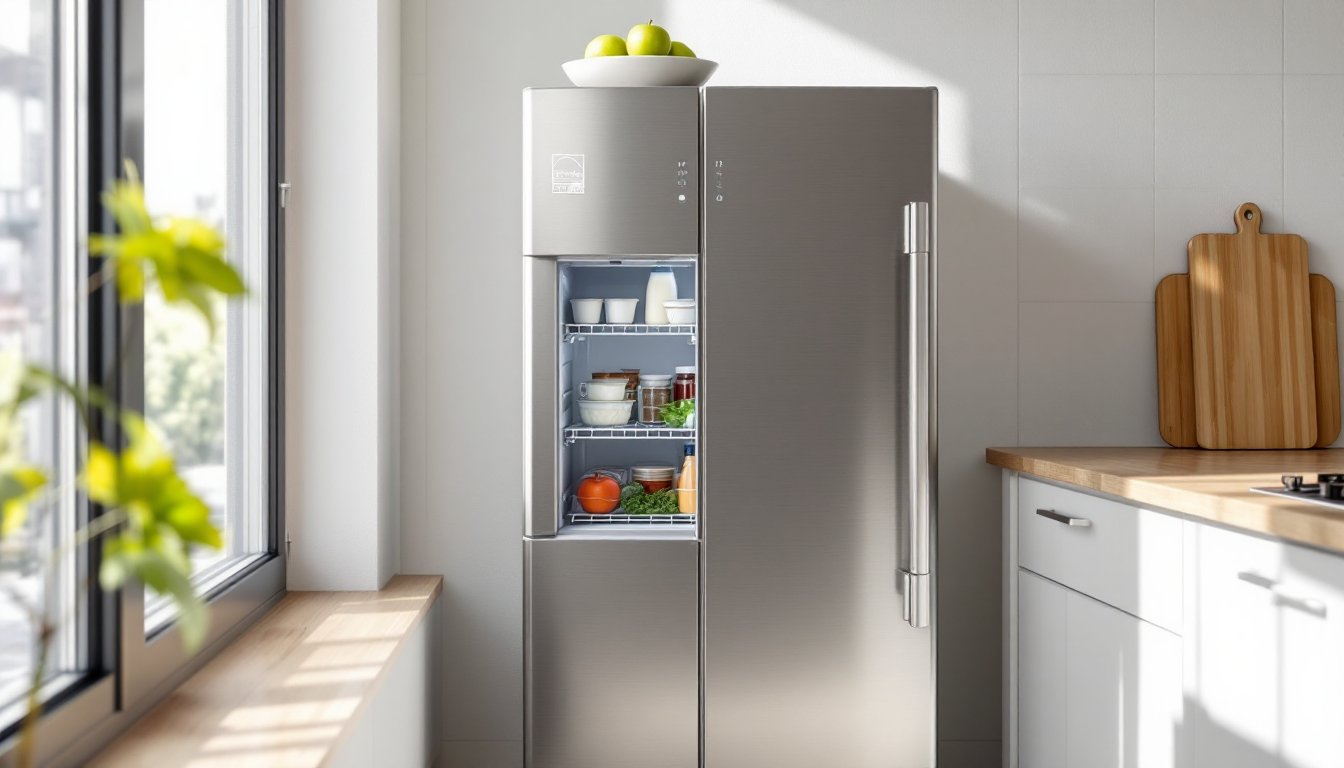
Apartment-size refrigerators range from 7 to 12 cubic feet and resemble scaled-down versions of full-size fridges. They’re typically 24 inches wide (vs. the standard 30–36 inches), with separate freezer compartments, crisper drawers, and adjustable shelving. Many offer frost-free operation, reversible door swing, and ice cube trays or small ice makers.
These units are built for daily cooking. You can store a week’s worth of groceries, freeze meat, and keep produce fresh in humidity-controlled bins. Height ranges from 57 to 66 inches, so they fit under standard kitchen counters or alongside cabinetry. If you’re outfitting a legal ADU or rental unit, this is the category that meets livability standards without overwhelming the floor plan.
Countertop and undercounter models are niche options. Countertop fridges (under 3 cubic feet) sit at workspace height and work for beverages in a home office. Undercounter units slide beneath 34-inch-high counters and are popular in wet bars or kitchenettes. These often require a 120V dedicated circuit and clearance for ventilation, check the install manual before cutting the opening.
Key Features to Look for When Choosing a Small Refrigerator
Once you’ve narrowed down size, focus on the features that separate a reliable appliance from a frustrating one.
Reversible door swing is critical in tight layouts. Most compact fridges let you swap the hinge side during install, giving you flexibility if your floor plan changes or if the fridge needs to sit flush against a wall. Confirm this before buying, not all models offer it.
Adjustable shelving matters more in a small fridge because vertical space is limited. Look for wire or tempered glass shelves that slide or fold to accommodate taller items like milk jugs or space-saving microwaves stacked on top. Fixed shelves lock you into a layout that might not match how you shop.
Frost-free vs. manual defrost is a trade-off. Frost-free models use a heating element and fan to prevent ice buildup, so you never have to defrost. The downside? Slightly higher energy use and a bit less interior space for the fan assembly. Manual defrost units are simpler and cheaper, but you’ll spend an afternoon every few months unplugging, draining, and wiping down the interior.
Energy efficiency is worth prioritizing. An ENERGY STAR-certified compact fridge uses roughly 10–15% less electricity than non-certified models, which translates to $20–$40 annual savings depending on your local rates. For apartment dwellers on submetered electricity, this adds up. Check the yellow EnergyGuide label for estimated annual operating cost, aim for under 300 kWh/year.
Temperature controls should be easy to access and granular enough to prevent freezing your lettuce or spoiling your milk. Digital thermostats are more precise than dial knobs, but either works if the unit cycles reliably. A built-in thermometer (not just a dial reading “cold” to “colder”) is a bonus.
Noise level varies. Compressor-based fridges hum and click as they cycle: expect 35–45 decibels during operation. If the fridge is going in a bedroom or open-plan studio, read reviews for noise complaints. Thermoelectric models run quieter but cool less effectively.
Best Placement Ideas to Maximize Your Small Kitchen Layout
Where you put a compact fridge matters as much as which model you buy. Poor placement kills efficiency and creates workflow bottlenecks.
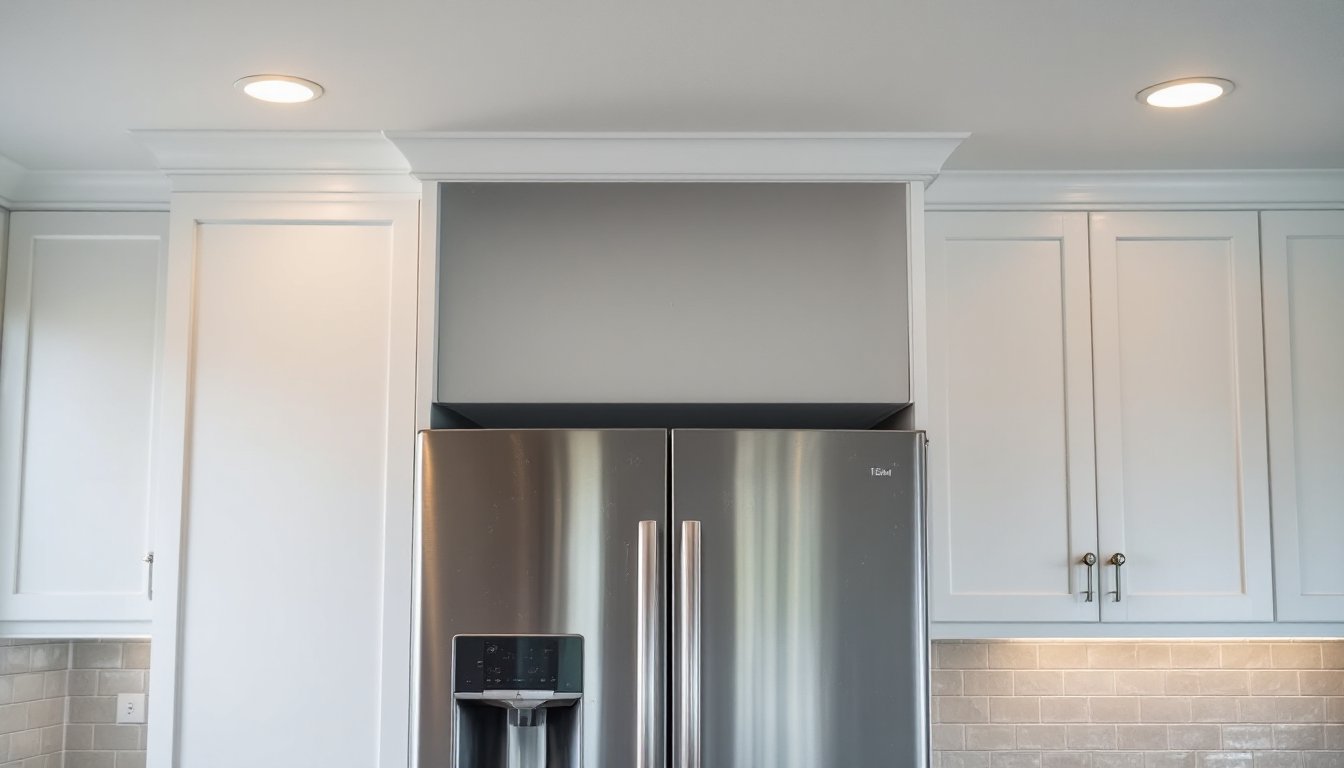
Clearance requirements are non-negotiable. Most manufacturers specify 1 to 2 inches of space on the sides and top for airflow. Blocking the condenser coils (usually on the back or bottom) forces the compressor to work harder, shortening the appliance’s lifespan and spiking energy use. If you’re tucking the fridge into an alcove or under a counter, measure carefully and leave room for the door to swing fully open, typically 90 degrees minimum.
Avoid heat sources. Don’t place the fridge next to a range, oven, dishwasher, or in direct sunlight. Ambient heat makes the compressor run continuously, wasting electricity and reducing cooling performance. If your kitchen layout forces proximity to a heat source, install a heat shield (a sheet of reflective insulation) between the appliances, or choose a fridge with side-mounted condenser coils.
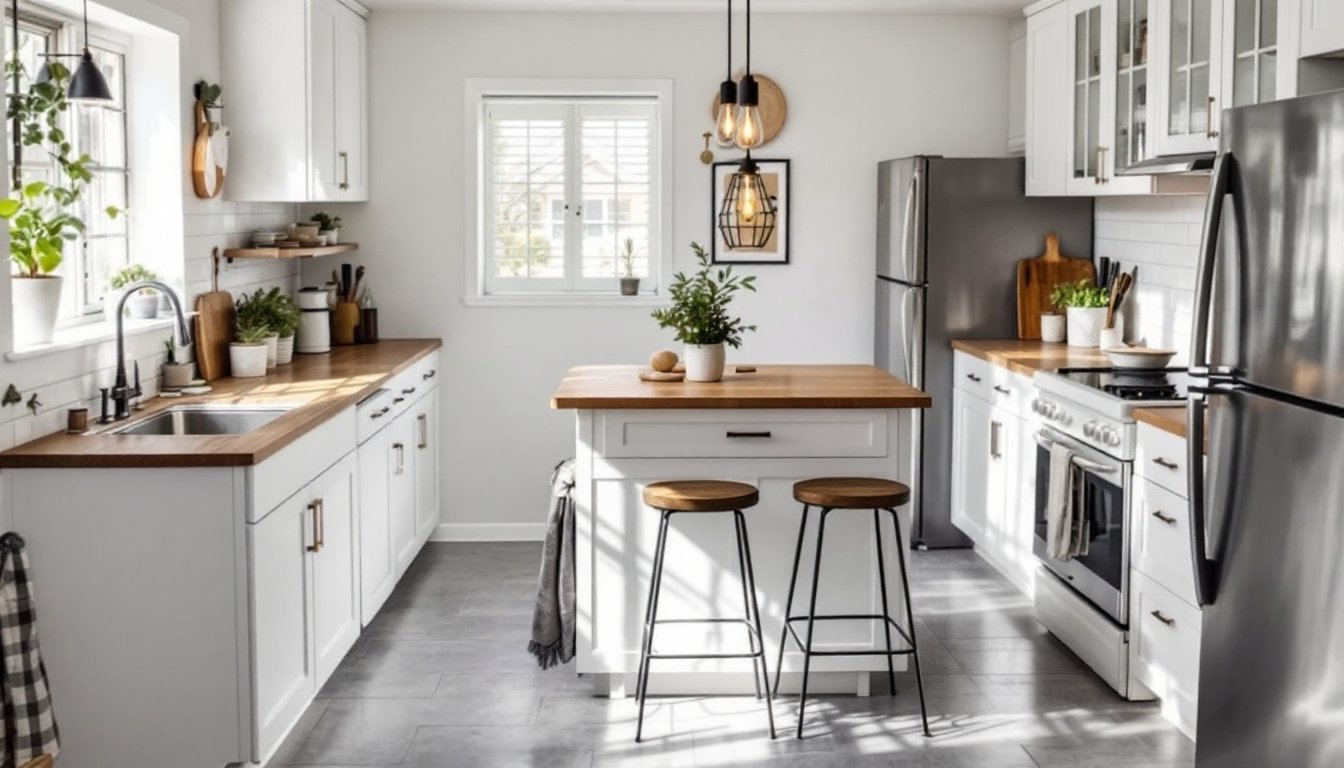
Workflow and the work triangle still apply in small kitchens. Ideally, the fridge sits near the primary prep zone so you’re not crossing the room every time you grab an ingredient. In a galley kitchen, placing the fridge at one end (not in the middle) keeps the walkway clear. In an L-shaped layout, the fridge anchors one leg of the triangle, with the sink and cooktop on the adjacent wall.
Freestanding vs. built-in is a style and budget decision. Freestanding compact fridges stand alone and can be moved easily, ideal for renters. Built-in or panel-ready models accept custom cabinet fronts and integrate seamlessly with cabinetry, but they cost more and require precise measurements. If you’re renovating and want a cohesive look, built-in is worth the investment. If you’re just trying to cram a fridge into a basement apartment, freestanding wins on flexibility and cost.
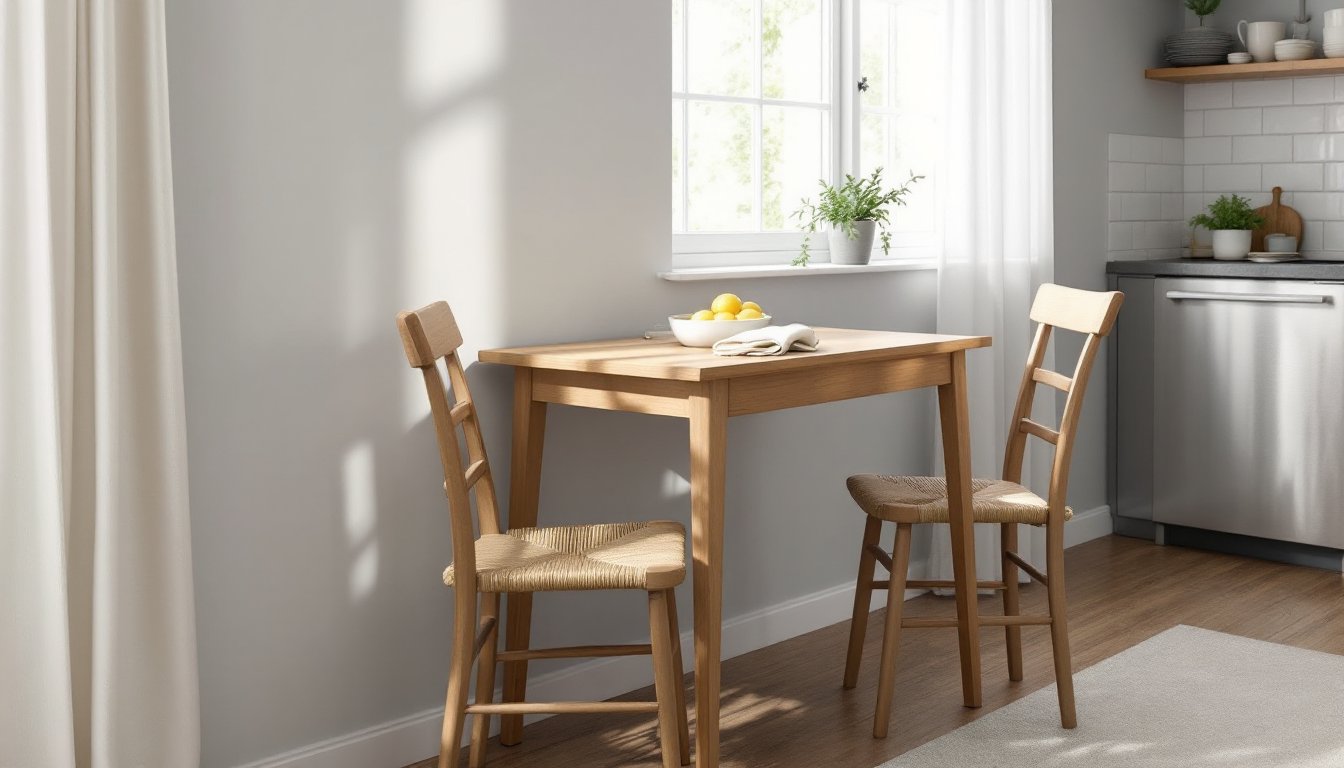
For studio apartments or open-plan micro-units, consider placing the fridge behind a room divider or low bookshelf to visually separate the kitchen zone from living space. Pairing it with compact dining furniture reinforces the layout without adding bulk.
Energy Efficiency and Cost-Saving Tips for Compact Cooling
Small doesn’t always mean cheap to run. Without careful selection and habits, a compact fridge can quietly inflate your electric bill.
Start with ENERGY STAR. As of 2026, ENERGY STAR compact refrigerators must use at least 20% less energy than the federal minimum efficiency standard. That’s a meaningful difference over a unit’s 10- to 15-year lifespan. The upfront cost premium is usually $30–$60, which pays back in 18–24 months depending on usage and local electricity rates.
Size appropriately. A fridge that’s too large for your needs wastes energy cooling empty space. Conversely, an overstuffed fridge blocks airflow and forces the compressor to overwork. Aim for 70–80% capacity as a sweet spot. If you’re consistently running out of room, step up one size. If shelves stay bare, downsize.
Set the right temperature. The FDA recommends 35–38°F for the fridge compartment and 0°F for the freezer. Every degree colder than necessary adds 5–10% to energy use. Use a standalone fridge thermometer (not just the built-in dial) to verify temps, especially after the first week of operation.
Keep coils clean. Dust and pet hair accumulate on condenser coils, reducing heat transfer and efficiency. Unplug the unit and vacuum or brush the coils every 3–6 months. On most compact fridges, coils are accessible from the back or bottom grille. This five-minute task can cut energy use by up to 15%.
Avoid placing hot food inside. Let leftovers cool to room temperature before refrigerating. Hot food raises the interior temp, triggering a longer compressor cycle. Same goes for leaving the door open, every minute of open-door time adds measurable runtime.
Use a power meter if you want real numbers. Plug-in watt meters (under $25 at hardware stores) show actual energy consumption over a week or month. If your fridge is pulling significantly more than the EnergyGuide estimate, it might be time to clean coils, check door seals, or replace the unit.
Creative Organization Hacks to Maximize Refrigerator Storage
Limited cubic footage demands smart organization. A few inexpensive tools and layout tweaks can nearly double usable space.
Stackable bins and lazy Susans turn chaotic shelves into zones. Clear acrylic bins (sized to fit your shelf depth) corral small items like yogurt cups, cheese blocks, or condiment jars. A lazy Susan on the top shelf keeps jars and bottles accessible without digging. Popular small-space design sites like Apartment Therapy regularly feature these setups in action.
Door storage is underutilized. Most compact fridges have shallow door bins meant for condiments, but you can use them for eggs (in a carrier), butter, or small bottles. Don’t overload door storage with heavy items, it stresses the hinges and door seal.
Drawer dividers and can dispensers work in crisper drawers. Instead of tossing produce loose, use silicone or plastic dividers to separate greens, root vegetables, and fruits (which emit ethylene gas and speed ripening). Soda can dispensers (angled racks that hold 6–12 cans) free up shelf space and keep drinks organized.
Fridge liners protect shelves and simplify cleaning. Wipeable silicone or plastic mats catch spills and slide out for washing. They also prevent glass jars from sliding around on wire shelves.
Label and date leftovers. In a small fridge, forgotten food quickly turns into wasted space and foul smells. Use masking tape and a marker or reusable labels to mark containers with contents and date. Rotate stock so older items move to the front.
Vertical stacking with shelf risers adds a second tier. Metal or acrylic shelf risers (typically 4–6 inches tall) let you stack shorter items like yogurt or cans under taller ones like milk cartons. This is especially useful in fridges with non-adjustable shelves.
For inspiration on organizing other compact kitchen gear, check out guides on folding dining solutions or multifunctional furniture that maximize tight quarters. Expert testers at Good Housekeeping also evaluate how interior layouts perform under real-world loads.
Adjust shelves seasonally. If you buy more produce in summer or bulk-cook soups in winter, reconfigure shelf heights to match. Most compact fridges have 2–4 shelf positions: don’t leave them in the factory default if it doesn’t match your habits.