Table of Contents
ToggleSmall bedrooms don’t have to feel cramped. Whether dealing with a studio apartment, a converted attic room, or just a modest-sized sleeping space, the right furniture choices can reclaim floor area while adding functionality. Space saving furniture has evolved far beyond flimsy fold-outs and dorm-room futons. Today’s options combine solid construction with clever design, storage beds that swallow seasonal wardrobes, wall-mounted desks that disappear when not needed, and modular systems that adapt as needs change. This guide breaks down the most effective bedroom furniture solutions, from multi-functional beds to vertical storage, helping anyone transform tight quarters into a room that actually works.
Key Takeaways
- Space saving furniture consolidates multiple functions—such as beds with built-in drawers or fold-down desks—to address shrinking bedroom dimensions and modern lifestyle needs without sacrificing functionality.
- Storage beds with quality ball-bearing glides, hydraulic lift platforms, and Murphy beds that fold vertically into walls maximize floor space and adapt to flexible living situations for both renters and homeowners.
- Vertical storage solutions like floor-to-ceiling shelving, floating shelves, and wall-mounted organizers move storage off the ground, making rooms feel larger and easier to clean while preserving precious square footage.
- Compact furniture pieces—including nesting tables, wall-mounted desks, storage ottomans, and tall narrow dressers—deliver outsized value by replacing bulky standard furniture in tight quarters.
- Effective bedroom layout requires at least 24 to 30 inches of clearance around the bed, anchoring the bed to the longest wall, and using light colors and mirrors to visually amplify space.
- Before purchasing or installing space saving bedroom furniture, measure doorways, hallways, and ceiling height, draft a floor plan, and test layouts for a week to ensure practical functionality beyond theoretical design.
Why Space Saving Furniture Is Essential for Modern Bedrooms
The average new single-family home bedroom measures around 11 by 12 feet, according to 2024 residential construction data, and secondary bedrooms often run smaller. Apartments and condos squeeze those dimensions even tighter. Pair shrinking square footage with the need for workspace (remote work isn’t going anywhere), exercise equipment, or hobby storage, and traditional furniture layouts collapse.
Space saving furniture addresses this by consolidating functions. A bed with drawers eliminates the need for a separate dresser. A fold-down desk clears room for yoga or a treadmill. Vertical shelving pulls storage off the floor, making the room feel larger and easier to clean. These aren’t gimmicks, they’re practical responses to real estate costs and lifestyle shifts.
Another factor: flexibility. Renters can’t knock down walls or add built-ins, but they can swap a standard bed frame for a platform model with storage cubbies. Homeowners planning to age in place benefit from furniture that adapts, Murphy beds that convert a bedroom into a home office, for example, or low-profile platforms that reduce fall risk. The payoff isn’t just extra space: it’s a bedroom that serves multiple roles without feeling cluttered or compromised.
Multi-Functional Beds That Do Double Duty
Beds occupy the largest footprint in any bedroom, so making them work harder delivers the biggest return. Multi-functional designs integrate storage, fold away entirely, or elevate to create usable space underneath.
Storage Beds and Platform Beds with Built-In Drawers
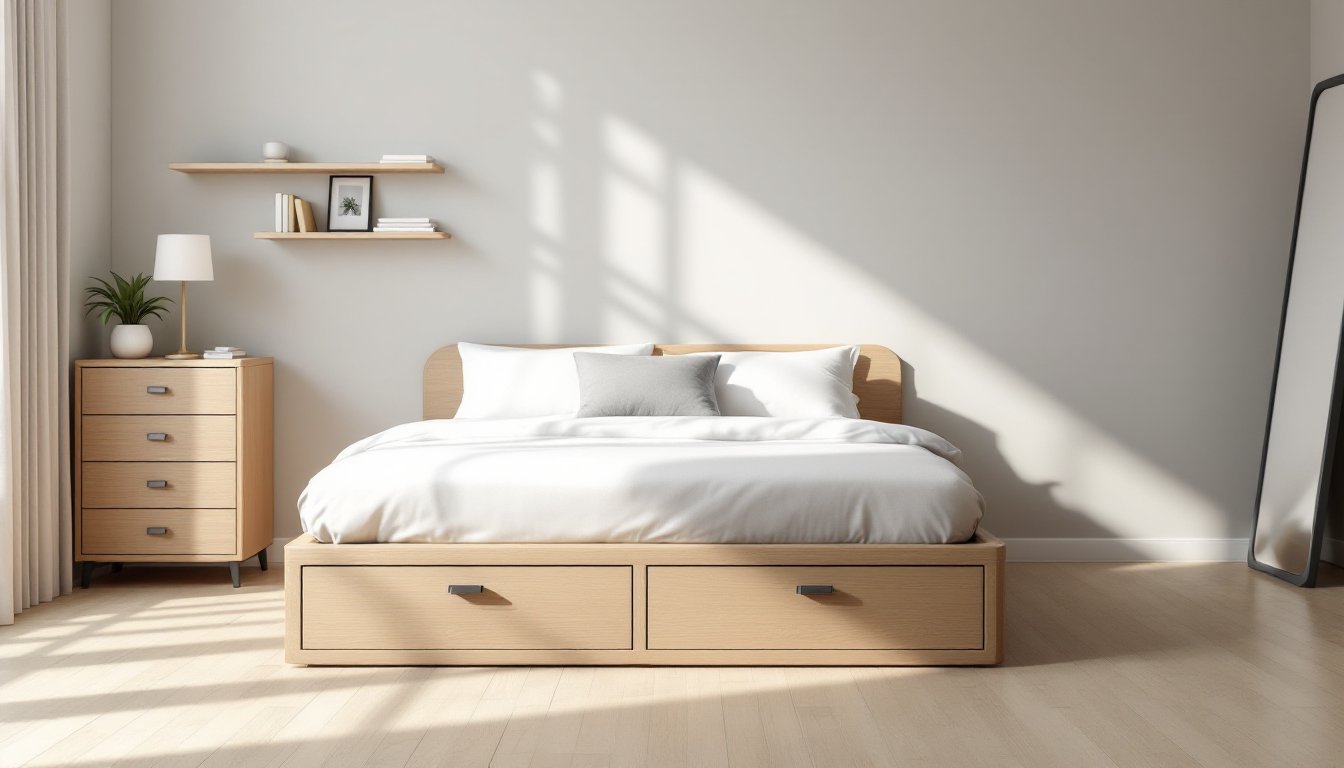
Platform beds with drawers replace the box spring with a solid base that houses pull-out storage bins or full-width drawers. Most models offer two to six drawers, each deep enough for folded clothes, extra linens, or out-of-season gear. Look for ball-bearing glides rated for at least 75 pounds per drawer, cheaper plastic tracks sag and bind within a year.
Captain’s beds take this further, stacking drawers vertically or adding cupboard doors for bulkier items like comforters or luggage. These typically sit 18 to 24 inches off the floor, higher than standard frames, which can feel imposing in rooms with low ceilings. Measure ceiling height and test the bed’s profile in-store or via cardboard mockups before committing.
Hydraulic lift storage beds hinge at the footboard, raising the entire mattress platform to reveal a cavernous compartment underneath. This design works well for seasonal wardrobes or sports equipment that doesn’t need daily access. Gas-lift pistons rated for the combined weight of mattress and base (usually 150 to 200 pounds) make lifting effortless, even for one person. Ensure at least 30 inches of clearance behind or beside the bed for the platform to hinge fully open.
Many space saving bed frames now come in modular kits that ship flat and assemble without special tools, making them renter-friendly and easier to move.
Murphy Beds and Wall Beds for Ultimate Flexibility
Murphy beds (also called wall beds) pivot vertically into a cabinet or recessed alcove, freeing the entire floor when not in use. Modern mechanisms use piston lifts or torsion springs to counterbalance the mattress weight, so raising and lowering the bed requires minimal force. Quality hardware is critical, look for units rated for at least 1,000 lift cycles and built to accommodate standard mattress thicknesses (usually 8 to 12 inches).
Installation varies. Freestanding cabinets anchor to wall studs with heavy-duty lag bolts (typically 3/8-inch diameter, 4 to 6 inches long) and don’t require recessing into the wall, making them viable for renters with landlord approval. Built-in models demand more carpentry: framing a recessed niche, securing blocking between studs, and ensuring the cabinet is plumb and level. Most manufacturers recommend professional installation to avoid safety issues, a poorly anchored Murphy bed can tip forward.
Some Murphy bed systems integrate furniture like desks, shelving, or sofas into the cabinet front, creating a true dual-purpose wall unit. When the bed is stowed, the room functions as a home office or workout space. When deployed, it’s a guest room. This flexibility is especially valuable in homes where every room must earn its keep.
Caution: Murphy beds involve heavy moving parts. Keep the area clear of kids and pets during operation, and check mounting hardware twice a year for loosening.
Vertical Storage Solutions to Free Up Floor Space
When floor space is tight, build upward. Tall bookcases, wall-mounted shelves, and overhead racks move storage off the ground, preserving precious square footage for movement and furniture.
Floor-to-ceiling shelving units maximize volume. Look for adjustable-shelf systems that let you customize spacing for books, bins, or folded clothes. Units made from 3/4-inch plywood or solid wood won’t sag under load: particleboard shelves wider than 24 inches will bow within months unless reinforced. Anchor tall units to wall studs using L-brackets to prevent tip-overs, especially important in earthquake zones or homes with kids.
Floating shelves work well above nightstands or desks, replacing bulky bedside tables. Install them into studs using 2.5-inch wood screws or use toggle bolts rated for 50+ pounds in drywall. Keep functional items within easy reach (phone, lamp, book) and store decorative pieces higher up.
Wall-mounted pegboards or slat walls add flexible storage for accessories, hats, or jewelry without drilling dozens of holes. These systems use modular hooks and bins that reposition as needs change. Paint pegboard to match the wall color so it blends rather than screams “garage.”
Over-door organizers (fabric pockets or metal racks) use otherwise wasted vertical real estate. They’re ideal for shoes, cleaning supplies, or accessories. Just verify the door can close fully with the organizer in place and that added weight won’t stress the hinges.
For renters or anyone avoiding wall damage, tension-rod closet extenders create an upper hanging tier for off-season clothes, and slim rolling carts (often 6 to 8 inches wide) slide into gaps between furniture and walls. Studies on home organization confirm that vertical strategies reduce visual clutter and make rooms feel significantly larger.
Compact Furniture Pieces That Maximize Functionality
Beyond the bed, every other piece of furniture should justify its footprint. Compact, multi-purpose items deliver outsized value in small bedrooms.
Nesting tables stack when not needed and fan out to provide multiple surfaces for drinks, laptops, or reading material. Look for sets with solid joinery, wobbly legs and loose tops don’t hold up to daily use.
Wall-mounted fold-down desks hinge up when work is done, clearing floor space for other activities. Most designs include a fold-out leg or chain support to hold the desktop level. Ensure the desk mounts into at least one stud: drywall anchors alone won’t support a laptop and monitor. A typical fold-down desk holds 50 to 75 pounds when properly installed.
Storage ottomans and benches with lift-top seats offer both seating and hidden storage for blankets, pillows, or shoes. Choose upholstered models with removable cushions for easy cleaning, or go with solid wood if the piece will double as a coffee table.
Compact dressers and armoires work better than wide, low dressers in tight rooms. A tall five-drawer chest (around 30 inches wide) occupies less floor area than a 60-inch double dresser while offering similar storage volume. If closet space is minimal, a narrow wardrobe (as slim as 18 inches deep) can hold hanging clothes without dominating the room.
Mirrors aren’t furniture per se, but full-length mirrors mounted on closet doors or walls visually double the space and eliminate the need for a freestanding mirror that takes up floor area. Designs from creative DIY projects often feature mirrors integrated into cabinet doors or fold-out panels, merging function and illusion.
Always measure doorways, hallways, and staircases before buying. A dresser that fits the room but won’t make it up the stairs is just an expensive lawn ornament.
Design Tips for Arranging Space Saving Bedroom Furniture
Owning space saving furniture is only half the battle, placement and layout determine whether the room feels open or chaotic. Start by measuring the room and all furniture pieces (including clearances for drawers, doors, and hinges). Draft a floor plan on graph paper or use a free app to visualize traffic flow before moving a single piece.
Leave at least 24 to 30 inches of clearance around the bed for making it and walking past. If the room is too narrow for nightstands on both sides, use a single nightstand or a wall-mounted shelf on one side. An efficient room layout prioritizes circulation paths, don’t block the closet door or force sideways shuffling to reach the window.
Anchor the bed against the longest wall when possible. This often leaves adjacent walls open for a compact desk or dresser. In very tight spaces, consider floating the bed a few inches from the wall to install a narrow console or shelf behind the headboard for lamps and charging cables.
Use light colors and reflective surfaces to amplify natural light. White or pale-gray furniture, glossy finishes, and strategically placed mirrors make the room feel larger. That said, avoid an all-white clinical look, add texture with wood tones, soft textiles, or a single accent color.
Multitask with lighting. Wall-mounted swing-arm lamps free up nightstand space. Pendant lights or ceiling-mounted fixtures eliminate floor lamps that clutter corners. Dimmer switches let one fixture serve reading, task work, and ambient lighting needs.
Declutter ruthlessly. Space saving furniture works best when it’s not crammed with excess. Store only what’s actively used or seasonally rotated. Donate, sell, or toss the rest. Decluttering guides emphasize the 80/20 rule: most people use 20% of their belongings 80% of the time.
Finally, test the layout for a week before committing to wall-mounted pieces or permanent anchoring. Live with the furniture, note bottlenecks or awkward reaches, and adjust as needed. A layout that looks good on paper might not feel right in practice, trust the room’s actual use over theory.