Table of Contents
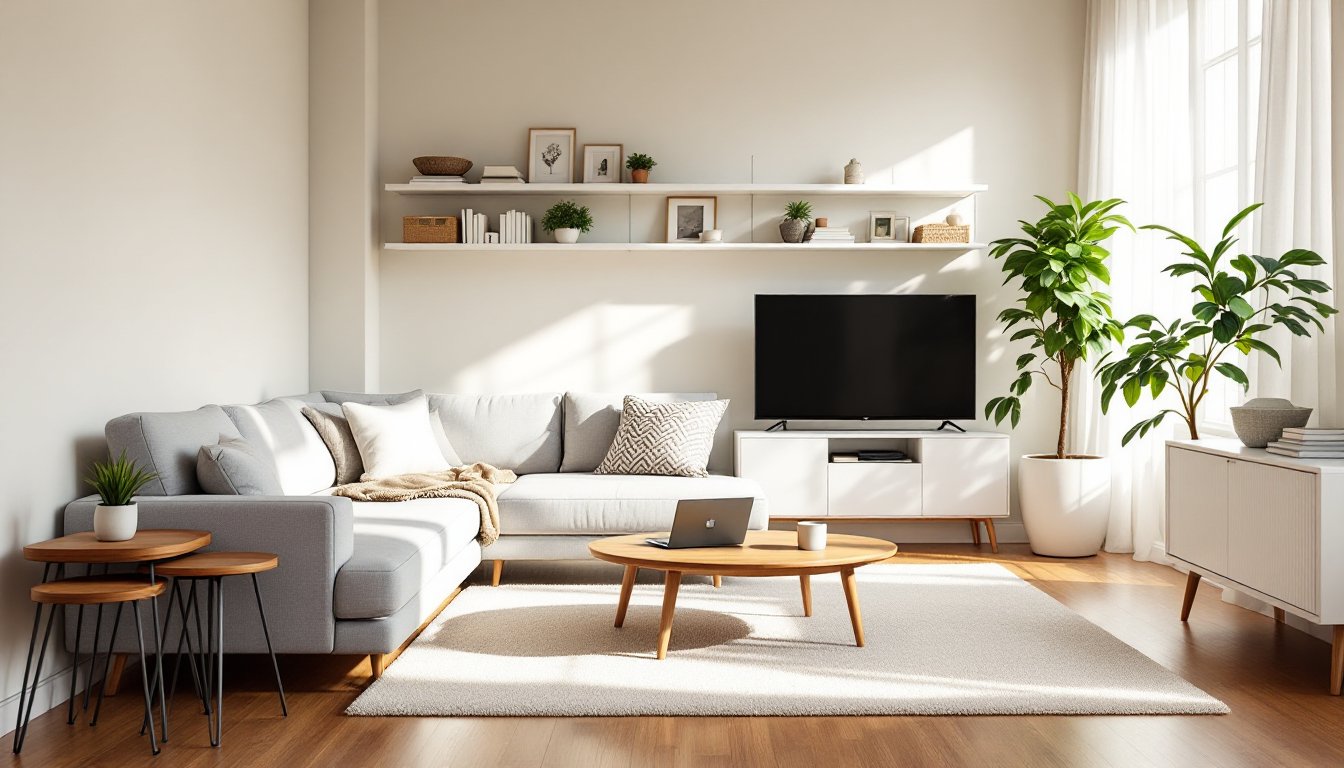
ToggleSmall living rooms don’t have to feel cramped or compromise on style. With the right space-saving furniture, homeowners can reclaim square footage without sacrificing comfort or function. The challenge isn’t just about fitting furniture into tight quarters, it’s about choosing pieces that work harder, store smarter, and adapt to multiple uses. Whether dealing with an urban apartment or a cozy family room, strategic furniture choices can transform how a space feels and functions. This guide walks through the most effective space-saving living room furniture options and how to deploy them for maximum impact.
Key Takeaways
- Space-saving living room furniture combines multiple functions—such as sleeper sectionals with built-in storage—to condense what would require three separate pieces into a single, efficient unit.
- Multifunctional pieces like lift-top coffee tables, convertible tables, and modular sofas adapt to modern demands where living rooms serve as entertainment hubs, home offices, and guest sleeping areas simultaneously.
- Wall-mounted and floating storage solutions reclaim vertical space while making rooms feel 10–15% larger by extending visible flooring wall-to-wall and reducing visual clutter.
- Quality matters for space-saving furniture: prioritize kiln-dried hardwood frames, metal hinges, and fabrics rated for 15,000+ double rubs, since moving parts wear faster than static pieces.
- Strategic room layout—floating furniture 12–18 inches from walls, maintaining 30–36 inches of walkway clearance, and anchoring with one larger piece—transforms how small spaces feel and function.
- Light colors, transparent materials, and vertical storage arrangements create an illusion of more space while keeping the living room practical for multiple uses without overcrowding.
Why Space-Saving Furniture Is Essential for Modern Living Rooms
Living rooms serve more roles than ever before. They’re entertainment hubs, work-from-home offices, guest sleeping areas, and kid play zones, all in one. Traditional single-purpose furniture can’t keep up with these demands, especially when square footage is limited.
Space-saving furniture addresses two core problems: physical footprint and functional flexibility. A standard three-seat sofa might occupy 84 inches of wall space, but a sleeper sectional with built-in storage covers the same area while adding a guest bed and hidden compartments. That’s three furniture pieces condensed into one.
Urban living spaces continue to shrink. The average new apartment in major U.S. cities measures around 850 square feet, down from 950 square feet two decades ago. At the same time, remote work and hybrid schedules mean living rooms need to accommodate desks, meeting spaces, and quiet work zones alongside traditional seating.
Space-saving furniture also impacts resale value and rental appeal. Homes that demonstrate smart storage and flexible layouts photograph better and show more usable square footage. Buyers and renters increasingly prioritize thoughtful design over raw size, particularly in competitive markets.
Beyond practicality, well-chosen compact furniture reduces visual clutter. Heavy, oversized pieces make small rooms feel smaller. Streamlined designs with exposed legs, vertical storage, and transparent materials create breathing room and improve traffic flow, critical in tight quarters where every inch counts.
Best Types of Space-Saving Living Room Furniture
Multifunctional Sofas and Sleeper Sectionals
Sleeper sofas remain the workhorses of space-saving living rooms, but modern versions have evolved far beyond stiff pull-out mattresses. Today’s mechanisms include fold-down backs, slide-out platforms, and modular sections that rearrange into full-size beds. Look for memory foam mattresses at least 5 inches thick, anything thinner won’t support overnight guests comfortably.
Sectionals with storage integrate lift-top ottomans or under-seat compartments deep enough for throw blankets, board games, or seasonal decor. These pieces typically measure 80–100 inches in L-configurations, fitting snugly into corners to maximize seating without hogging floor space. When shopping, check hinge quality and weight limits: cheaper hardware fails within a year under regular use.
Modular sofas take flexibility further. Individual seat cubes connect via clips or brackets, allowing homeowners to reconfigure layouts for movie nights, parties, or work sessions. Some compact sofa designs even include removable armrests that double as side tables.
Safety note: Always verify weight capacity on sleeper mechanisms and storage hinges. Most quality units support 400–600 pounds when fully extended. Anything lower won’t withstand regular use.
Convertible Coffee Tables and Nesting Tables
Lift-top coffee tables solve the work-from-couch dilemma. The top surface rises to dining or desk height, typically 24–28 inches, revealing hidden storage beneath. Standard dimensions run 42–48 inches long by 24 inches wide, large enough for a laptop and paperwork without overwhelming compact rooms. Look for gas lift mechanisms rather than spring-loaded hinges: they hold position better and won’t pinch fingers.
Nesting tables offer instant surface area when needed and tuck away when not. A typical three-piece set stacks into a 20 × 20-inch footprint but expands to create side tables, plant stands, or snack stations. They’re ideal for entertaining, pull them out for drinks and appetizers, then slide them back under the console.
Expandable coffee tables with drop-leaf extensions or slide-out panels convert from compact daily use (36 × 36 inches) to full dining surfaces seating four to six people. These work particularly well in studio apartments or open-plan spaces where a separate dining table won’t fit. Check that extension mechanisms lock firmly: wobbly leaves create spills and frustration.
Some convertible coffee tables include adjustable height settings and fold-out work surfaces, making them particularly valuable for multi-use spaces.
Wall-Mounted and Floating Storage Solutions
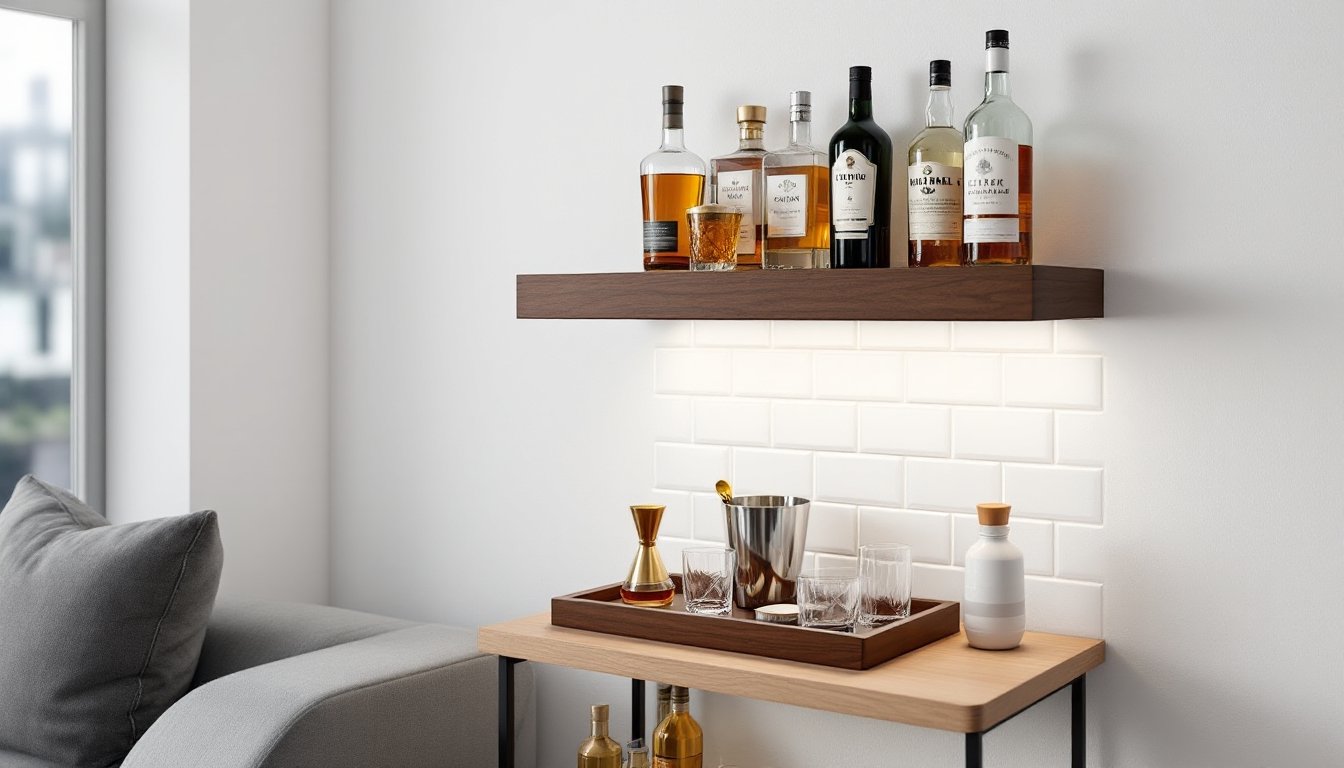
Floating shelves reclaim vertical space without the visual weight of floor-standing bookcases. Install them 12–18 inches apart to accommodate books, decor, and small storage baskets. Use hollow wall anchors rated for 50 pounds minimum: drywall alone won’t support loaded shelves. In homes built before 1980, locate studs with a stud finder and mount directly into framing for maximum strength.
Wall-mounted media consoles keep electronics off the floor, freeing up 15–20 inches of depth compared to traditional TV stands. Most units include cable management cutouts and shallow shelves for streaming devices. Mount them so the TV center sits at eye level when seated, usually 42–48 inches from the floor for standard sofa heights.
Murphy desks fold down from wall cabinets when needed and disappear when work’s done. Quality units include soft-close hinges and interior organizers for supplies. Depths run 16–20 inches when closed, extending to 24–30 inches for workspace. They’re perfect for living rooms doubling as home offices, though installation requires hitting wall studs or using toggle bolts rated for 100+ pounds.
Floating furniture creates an impression of more floor space because visible flooring extends wall-to-wall. This psychological trick makes rooms feel 10–15% larger than furniture with traditional bases. Pair wall-mounted pieces with strategic space optimization techniques to enhance the effect.
How to Choose the Right Space-Saving Furniture for Your Living Room
Start by measuring the room and mapping traffic flow. Maintain 30–36 inches of clearance for primary walkways and at least 18 inches between furniture pieces. Sketch the floor plan on graph paper (1/4 inch = 1 foot works well) or use free tools like RoomSketcher to visualize layouts before buying anything.
Identify non-negotiable functions first. If overnight guests visit monthly, a sleeper sofa moves from “nice to have” to essential. If the living room doubles as a dining area, prioritize convertible tables over extra seating. Rank needs versus wants to avoid impulse purchases that create clutter instead of solving problems.
Measure doorways and stairwells before ordering furniture. A 38-inch-wide sectional won’t navigate a 36-inch hallway, regardless of how perfectly it fits the room. Many retailers list package dimensions separately from assembled sizes, check both. Consider furniture with removable legs or modular construction for easier maneuvering.
Material quality directly impacts longevity in multifunctional furniture because moving parts wear faster than static pieces. Look for kiln-dried hardwood frames, metal hinges (not plastic), and fabrics rated for at least 15,000 double rubs (the industry standard for moderate residential use). Particle board and stapled joints won’t survive frequent conversions.
Test mechanisms in person when possible. Sleeper sofas should deploy and fold with one person’s effort. Storage lifts should rise smoothly without sticking. Extensions should lock securely without wiggle. If shopping online, verify return policies, some retailers charge 15–20% restocking fees on oversized items.
Prioritize integrated furniture solutions that combine multiple functions seamlessly rather than buying separate pieces that each claim to save space. One well-designed unit beats three mediocre ones.
Design Tips for Arranging Space-Saving Furniture
Float furniture away from walls instead of pushing everything to the perimeter. A sofa placed 12–18 inches out creates a visual boundary and often improves traffic flow in awkward layouts. Use the space behind for a narrow console table (10–12 inches deep) to hold lamps or display items.
Anchor the room with one larger piece, typically the sofa, then surround it with smaller, lighter elements. This prevents the “showroom floor” look where every item competes for attention. Matching furniture sets can make small rooms feel more cramped: mix materials and heights for visual interest and perceived space.
Leverage vertical space aggressively. Floor-to-ceiling shelving draws the eye upward and maximizes storage per square foot. Install shelves in 12-inch increments to accommodate various item heights. Leave the top shelf for rarely used items and keep daily-use objects at eye level (48–60 inches).
Light-colored furniture reflects more light than dark pieces, making rooms feel airier. That doesn’t mean everything needs to be white, light grays, soft blues, and natural wood tones work equally well. Transparent materials like acrylic or glass coffee tables reduce visual bulk while providing full functionality.
Create distinct zones in open-plan spaces using furniture placement rather than walls. A sofa with a compact console table behind it can separate living and dining areas without blocking sightlines. Area rugs (at least 8 × 10 feet for living rooms) define spaces and anchor furniture groupings.
Avoid pushing all furniture against walls in small rooms, it actually makes them feel smaller by highlighting the tight perimeter. Instead, leave 3–6 inches of breathing room where possible. This small gap creates shadow lines that add depth.
Some creative small space solutions demonstrate how unconventional furniture arrangements can maximize both function and style in tight quarters.